City Transit
Transit cards and deposit refunds: getting the money back at the end
 By
·
October 15, 2026
A transit card holds two separate amounts of money, and only one of them comes back. The deposit or issuing fee is refundable at a staffed counter within a stated period. The stored balance is often not refundable at all, or only in cash up to a small ceiling.
What the card costs before you ride
Most city cards cost between two and ten units of local currency to issue, described either as a deposit or as a non-refundable fee. The machine then forces a minimum load on top, usually enough for two or three journeys. Read the two figures separately, because the receipt often prints only the total.
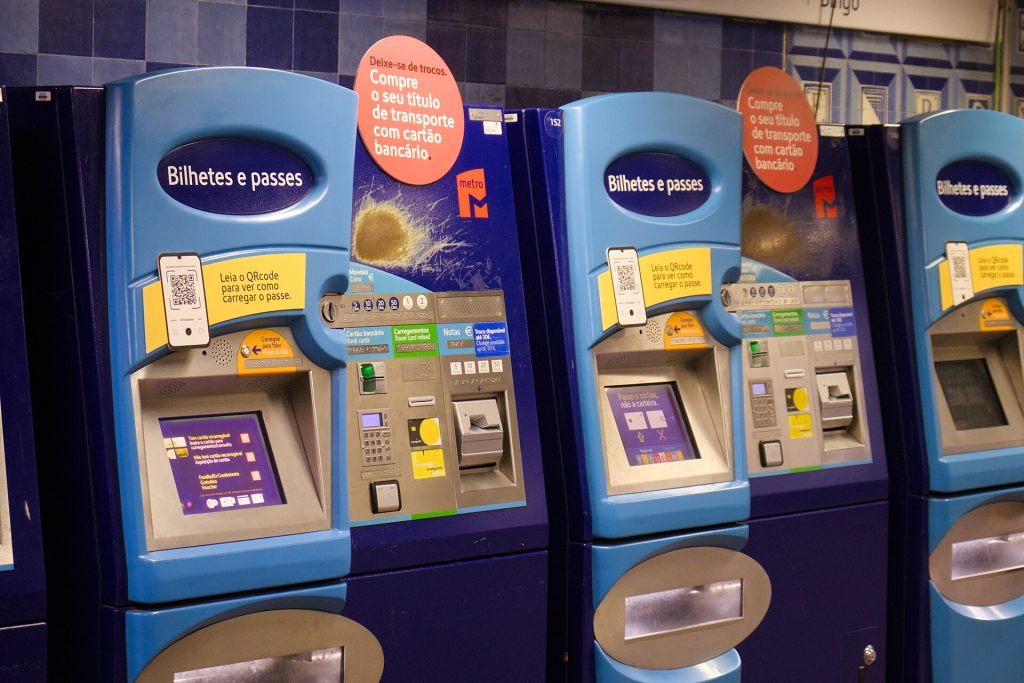
The issuing fee is sometimes waived if you load a larger amount on the spot, which is a discount dressed as a deposit. Read the screen rather than the poster beside it, since the poster shows the cheapest combination and the machine offers the default one.
The deposit and the balance are different
Deposits are returned when the card is handed back at a ticket office, sometimes only with the receipt, sometimes only within a month of issue. Balances above a small amount are frequently paid by bank transfer or to a local account, a condition that quietly excludes anyone without one. Ask at the counter which of the two you are entitled to before you queue.
Refunds happen at counters, not machines
The machines in the ticket hall sell cards and add value. They do not give money back. Refunds are handled by a staffed office whose hours often end before the last train and which may close at weekends. Photograph the opening times on your first day, when you still have time to act on them.
Group travel adds a wrinkle. Cards are issued per person and refunded per person, so four travellers need four transactions, each of which may require the card and the receipt together. Give one person the receipts, and keep the cards in one place until the counter.
A day ticket can beat the deposit
If you will make three or more journeys in a day, a day ticket usually costs less than the same trips on stored value, and it carries no deposit at all. Check when it expires, because some run to midnight and others to the end of service, and a ticket bought at eight in the evening may be worth very little.
Multi-day visitor passes work the same way, priced by zone and by number of days, and they include the airport only if the outer zone is named on the pass. A three-day pass that stops at the city boundary is no saving for a trip that begins and ends at the terminal.
Spend the balance down instead
The simplest refund is no refund. Many cards are accepted at convenience stores, vending machines, and station kiosks, and a balance of a few units buys water and a sandwich for the journey to the airport. Do this on the last full day, not at the gate, because the card reader at a barrier will not let you part-pay a fare.
Some cards cannot be refunded at all
Short-term visitor cards, virtual cards held inside a phone, and single-use paper tickets are usually sold outright. Nothing is returned, and the price is the price of the ride. That is not a reason to avoid them, but it does change the arithmetic when a paper single costs less than a card plus a deposit you will not reclaim.
Keep the card anyway. Some networks let a balance be moved to another card, and a returning visitor can spend it on a later trip, since most cards stay valid for several years before dormancy takes the money back.
Do the arithmetic on the last day
Weigh the deposit and the leftover balance against the trip to a counter and the queue at it. If the counter is in a station you will pass anyway, the refund takes ten minutes. If it is across town and closes at six, the money is gone, and the card becomes a souvenir with a number printed on it.