Rail & Buses
Cross-border coach corridors where the bus beats the train
 By
·
October 19, 2026
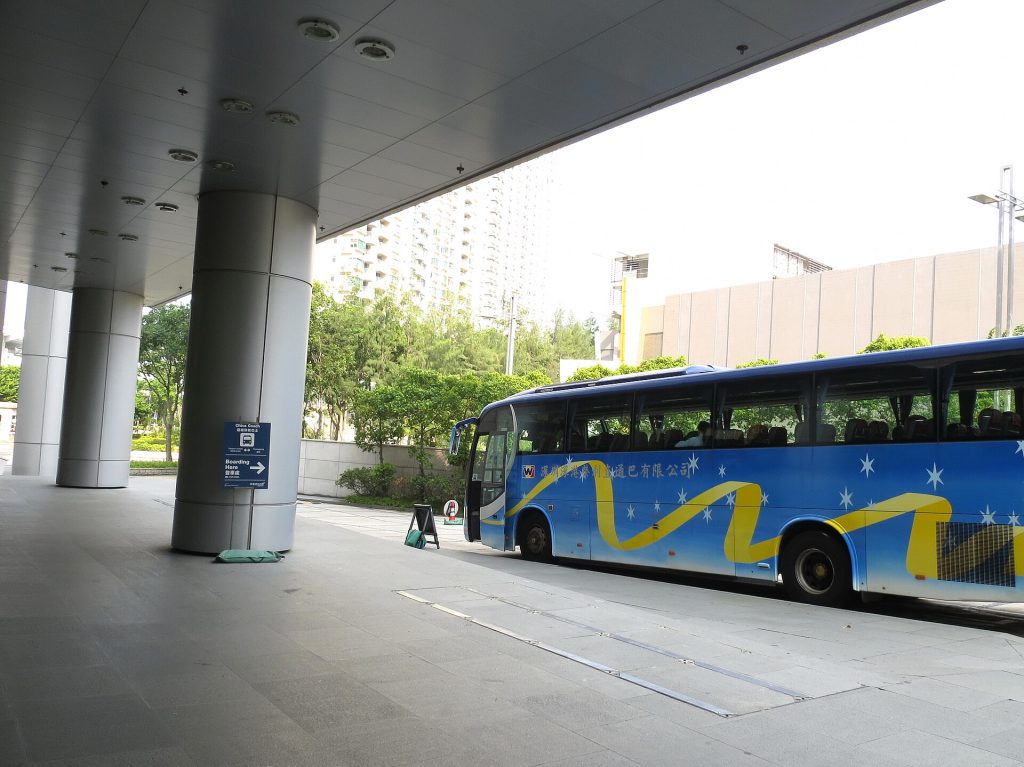
On a handful of European corridors the coach is not the budget fallback but the faster and simpler option, and the reason is geography rather than price.
The map decides, not the fare
Rail networks were built to connect capital to capital and coast to hinterland. Where two cities sit across a mountain range with no direct line, the rail route bends through a third country while the road runs straight.
That detour, not the speed of the train, is what puts the coach ahead. A 300 km gap with a 700 km rail route is five hours by road and most of a day by rail.
Where the rail map leaves gaps
The western Balkans is the clearest case. Several pairs of capitals there have no direct rail service, and the lines that survive run slowly enough to turn a four-hour drive into a much longer day.
Coaches on those routes leave several times a day, follow the newer motorways, and stop at the border once instead of twice.
Along the Adriatic the railway stays inland while the coach follows the shore, calling at towns the train never reaches. The same pattern holds on mountain crossings where the rail alignment predates the tunnel.
For a trip built around a coastline rather than a capital, the coach is the only public transport that runs the route you want.
The Baltic corridor north to south
North of Poland the network points east rather than along the coast, so a journey between two Baltic capitals often means a detour inland. Coaches run the coastal road in a fraction of the time and can cross two borders in one morning.
Rail improvements are closing that gap on some sections. Before booking, compare the current timetable rather than the reputation of the corridor.
What the border stop costs
Inside the Schengen area most coach border crossings are a sign and a change of speed limit. Outside it, expect the coach to stop, the driver to collect documents, and a wait of 20 to 60 minutes at the checkpoint.
Long-distance coaches build that wait into the schedule, which is why a 400 km run can be timetabled at seven hours. A delayed coach is absorbed by the driver rather than by a missed connection.
Luggage rules on long coach runs
The hold takes one bag of roughly 20 to 25 kg per passenger, tagged and handed over at the door. A second bag usually costs a few euros, and a bicycle or an oversized box has to be declared when booking.
Keep documents, medication and anything valuable with you. Bags are loaded by destination, and on a service that stops repeatedly the wrong bag comes off at the wrong town more often than operators admit.
The timetable is the real constraint
Frequency is where coaches lose. A corridor may have one departure a day, sometimes two, and seasonal services vanish outside summer. Miss it and there is no equivalent of the next regional train an hour later.
Coach stations also sit at the edge of town more often than rail stations do, adding a local bus or a taxi to the total. On a tight connection that extra 30 minutes decides the journey.
Weigh the station location before the fare. A coach that saves 15 euros and leaves you 8 km from the centre has saved nothing once the taxi is paid.
Where the train wins back
Above roughly 600 km, or anywhere the line is a true high-speed route, the train takes back both time and comfort, and the coach becomes the cheap option rather than the quick one.
The coach corridor is a specific tool for specific gaps. Read the rail map first, find where the lines do not go, and the coach stops being a compromise.