Regional Costs
Currency and card fees on a multi-country route: where the money leaks
 By
·
October 11, 2026
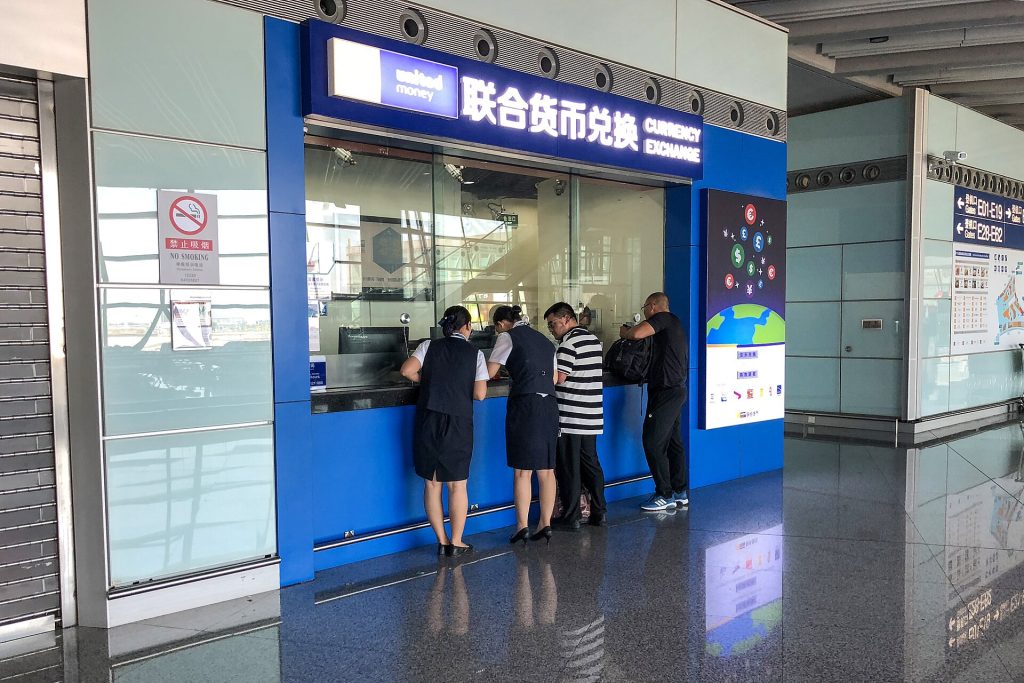
The rate on the board is rarely what a multi-country route costs you. The loss sits in the fees stacked on top of each transaction, and it compounds every time you cross a border holding the wrong currency.
Two fees hide in each payment
The first is the foreign transaction fee charged by the card issuer, typically one to three percent of the amount. It is disclosed in the terms and almost never at the moment of payment, so it disappears into the total.
The second is dynamic currency conversion. A terminal offers to charge you in your home currency, quoting a rate that already includes a margin of several percent. Accepting looks helpful and costs more every time. Choose the local currency and let the issuer do the conversion.
Neither fee is large on its own. A route that spends two thousand euros on a card produces forty to sixty euros from the first fee alone, plus whatever the second one takes at the terminals where you tapped yes.
ATMs charge from both ends
A withdrawal can carry a fee from the local operator, a fee from your own bank, and a rate that sits below the interbank one. Three charges on a single transaction is normal in some countries.
The counter is fewer, larger withdrawals. One withdrawal covering a week costs far less in percentage terms than four that cover two days each, and cash also disciplines spending in a way a card does not.
Decline the machine’s conversion offer as well. It appears as a choice between two currencies on the screen and carries the same margin as a card terminal. The local currency button is always the cheaper one.
Some places still run on cash
Markets, rural buses, small guesthouses and drivers outside major cities often take cash only, or add a surcharge for a card. A route that assumes card acceptance everywhere will produce at least one afternoon spent looking for a machine that works.
Carry a buffer of local currency for the last day in each country, sized to cover a meal and a transfer. It is the cheapest insurance against a failed card at the wrong hour, and it is spent rather than lost.
Every border resets the currency
The leak that defines a multi-country route is leftover cash. Arriving in a new country with the previous one’s notes means converting at a poor rate or carrying a dead balance to the end of the trip.
Spend down before leaving. Buy the airport transfer, the last dinner and the bus ticket in local currency, and treat the remaining coins as already spent. Converting twice, once out and once in, costs more than the small overpayment of using the cash up.
A few currencies are effectively closed and cannot be exchanged abroad at all. Check which ones apply before the final week rather than at the departure gate, where the only offer will be the worst one.
The arithmetic of a four-country month
Take a month with roughly two and a half thousand euros of card spending. A two percent issuer fee takes fifty. Four withdrawals per country at a fixed fee apiece adds another forty or more. Conversion accepted twice a week adds a slice that is hard to see and easy to repeat.
The total usually lands between one hundred and one hundred and fifty euros. That is a night of accommodation or a week of food, and none of it buys anything you can hold.
Paying less without changing the route
Use one card with no foreign transaction fee, keep a second as backup in case the first is blocked, and set the terminal currency to local every time. Withdraw weekly rather than daily, and finish each currency before the border rather than after it.
What the route costs is decided in those small choices at the counter, repeated a dozen times a week. The rate on the board is the least of it, and the one number everyone looks at first.