Regional Costs
Laundry, SIM cards and the small costs that add up over a month
 By
·
November 3, 2026
A month on the road is not thirty days of the same costs repeated. It is a stack of weekly purchases, and laundry, connectivity and the consumables around them are where a budget quietly stops holding.
Laundry is priced per week
Hotel laundry is charged by the piece and priced for people on expenses. One shirt cleaned and pressed at a hotel counter often costs as much as a cheap lunch, which makes it an emergency service rather than a routine one. After the first bill, most long-stay travellers stop using it.
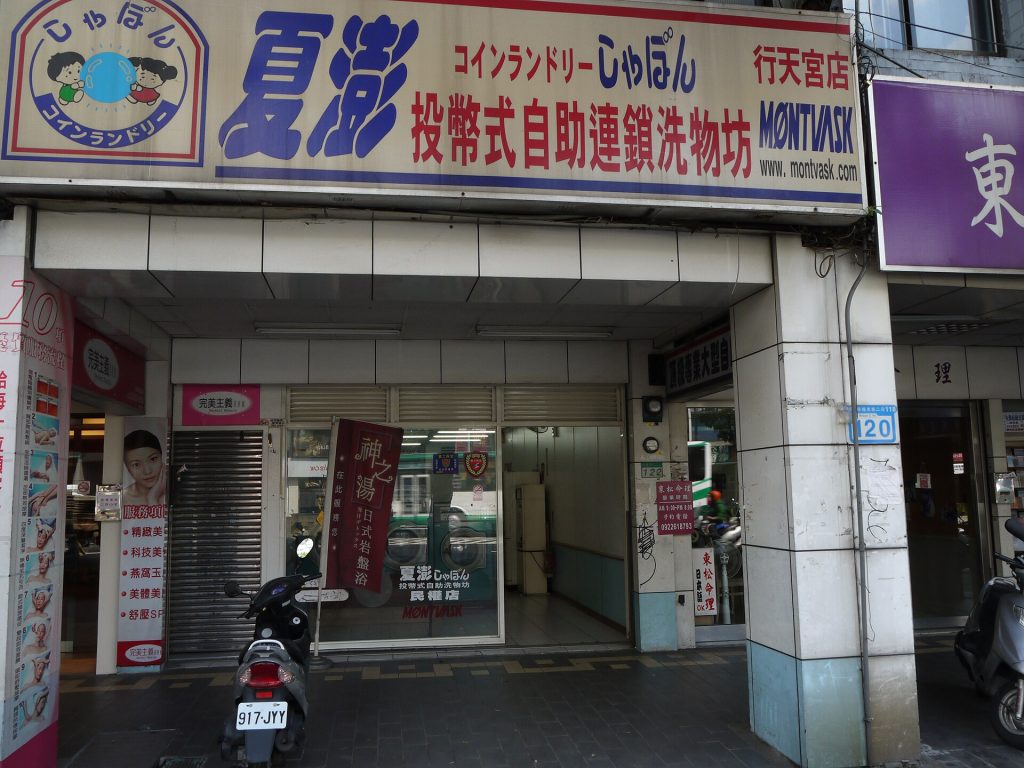
Self-service laundrettes charge by the machine instead. A wash and a dry in a European or East Asian city usually lands somewhere between the price of two coffees and the price of a simple dinner, and the dryer is often the larger half. Some machines take coins, some take a card at the machine, and some countries staff a counter where you pay and receive a token.
The rhythm that works is one load per person per week, started in the morning so the drying cycle finishes before the shop closes. Drop-off services priced by weight cost less per kilogram than hotel laundry but need a day to turn around, which rules them out on a two-night stop.
Hand washing covers base layers and socks, but it does not scale. A sink wash for one person for a week is reasonable. For two people over three weeks it becomes an evening lost every few days, and the saved money is smaller than the time spent.
A local SIM is priced by the month
Airport counters sell convenience, and the tourist packages there are usually the worst value on the market. The same operator will sell a monthly plan in a town shop with several times the data allowance for a comparable price.
Buying in town takes a passport and twenty minutes. In many countries the line must be registered to a passport at the point of sale, so the shop copies the document and activates it while you wait. Ask for the monthly plan rather than the visitor plan, and confirm that the allowance is data rather than a bundle of calls you will never use.
An eSIM bought before departure avoids the queue and costs a little more. It suits a route crossing three or four countries in a month, because a regional plan can cover all of them and removes the habit of buying a new line at every border.
Top-ups are the recurring cost either way. A monthly plan that lapses mid-month because you forgot to renew is the most common way to pay twice for the same coverage.
The consumables nobody budgets
These are the purchases too small to note and too frequent to ignore. Individually they are noise. Across thirty days they are a category.
- Drinking water, roughly one to two euros a day where the tap is not drinkable.
- Detergent and machine coins, a few euros a week.
- Transport credit that expires before you spend the balance.
- Coffee, snacks and the small purchases that fill a waiting hour.
Added up, the total usually sits between four and eight euros a day. That is more than most people allow for, and enough to distort a daily target set before departure.
Fixed purchases reward a longer stay
A monthly SIM, a transport card, a bag of detergent and a kitchen stock of oil, salt and coffee are all fixed costs. Spread over five nights they are expensive. Spread over twenty-five they are close to nothing.
This is the arithmetic that makes a month in one city cheaper per day than four separate weeks in four cities, even when the nightly rate for the month looks worse on the first screen.
What the month actually costs
A defensible allowance for laundry and connectivity on a long trip is roughly forty to seventy euros a month per person, before water, coffee and top-ups. Against a daily budget of sixty euros, that is not a rounding error.
The costs that break a month-long budget are rarely the flights or the apartment. They are the ten-euro decisions made every day, and the weekly ones made without being counted at all. Both are visible a week in advance if you write them down once, and invisible for a month if you do not.