City Transit
Airport to city centre: what the four transfer options actually cost
 By
·
November 6, 2026
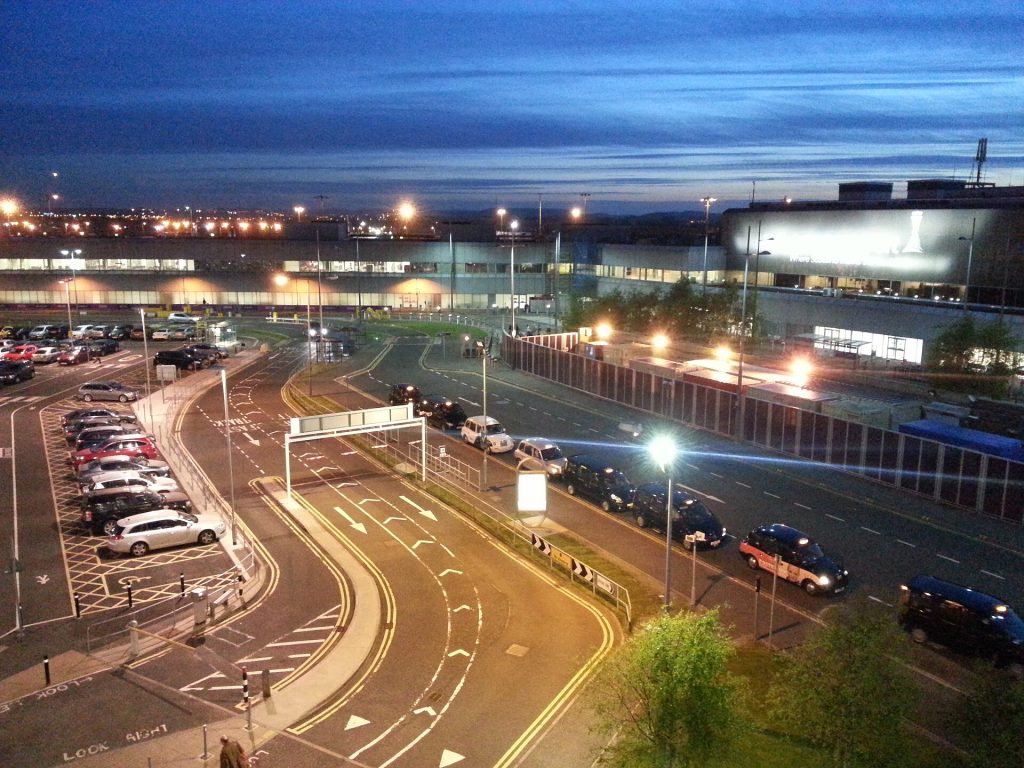
The fare printed on the machine is the smallest part of what an airport transfer costs. The real number includes a terminal surcharge, a charge per bag, a toll, a card deposit you may never recover, and the hour spent queuing while the cheap option left without you.
Start with the fixed-price rail link
Most large airports have a dedicated train or express coach into the centre, priced per person and unaffected by traffic. That fixed price is both its advantage and its limit. Four travellers pay four fares, and the saving against a taxi disappears. The platform is sometimes a shuttle ride from the terminal, so add ten minutes and one more ticket.
Airport rail lines often carry a premium over the ordinary city network, folded into the ticket rather than printed as a separate line. Check whether the same platform serves both services. The cheap commuter train and the airport express can share a route and differ in price by a factor of three.
The ordinary metro is cheaper and slower
Where the city metro reaches the airport, it is the least expensive rail option and the least convenient with luggage. Expect one or two changes, long walks between platforms, and lifts that are out of service at the hour you arrive. Ticket machines take coins and small notes, and the queue at a terminal station can outlast the journey itself.
Luggage is the hidden cost. Turnstiles take a case at an angle or not at all, and a heavy bag on a moving escalator is a genuine hazard. With more than a backpack, the metro saves money and spends effort in equal measure.
Coaches occupy the middle ground
An airport coach usually costs a third of the rail fare and drops at a central station or a hotel district. It runs to a timetable rather than to demand, which matters at five in the morning and again at midnight, when the first or last service may simply not exist. Cases go in the hold, so a large one is not a problem.
Coaches also sometimes continue past the centre to a satellite town, which matters if your hotel sits outside the ring road. Ask where the last stop is before buying, because a service that ends at the main station is not the same as one that carries on to the district named on your booking.
Taxis charge for the vehicle
A taxi is the only option priced per vehicle, which makes it the cheapest choice for three or four people with bags. Meters vary. Some cities run a fixed airport fare, others add a night rate of 20 to 30 percent, a charge per case, and the toll for the tunnel or motorway. Ask the driver to start the meter before the doors close, and ignore the fixed price offered inside the terminal by someone without a licence.
Ride-hailing adds a layer of its own
A ride-hailing app quotes before you commit, which is useful, but the quote moves with demand, and the airport usually adds a pickup fee. The collection point is often a car park two levels up, reachable by lift, and the driver may cancel once the destination appears. You also need working data at the moment you land, which is the worst moment to discover a dead SIM.
Compare the total, not the headline
Write down four numbers before deciding: fare per person, bags, tolls, and minutes. A group of four with two cases will usually beat the rail link in a taxi. A solo traveller with a backpack almost never will. The break-even sits near three people in most cities, and it moves with the night rate.
The return leg is the expensive one
Arrivals spread across the day, departures bunch before dawn. The metro may not have started, the coach may run hourly, and the only vehicle at the kerb will be a taxi on a night tariff. Budget the return at the taxi price and treat a cheap arrival as a bonus, and the transfer stops being a surprise on the last morning.