Borders & Transfers
Exit fees and departure taxes: who collects them and where
 By
·
October 7, 2026
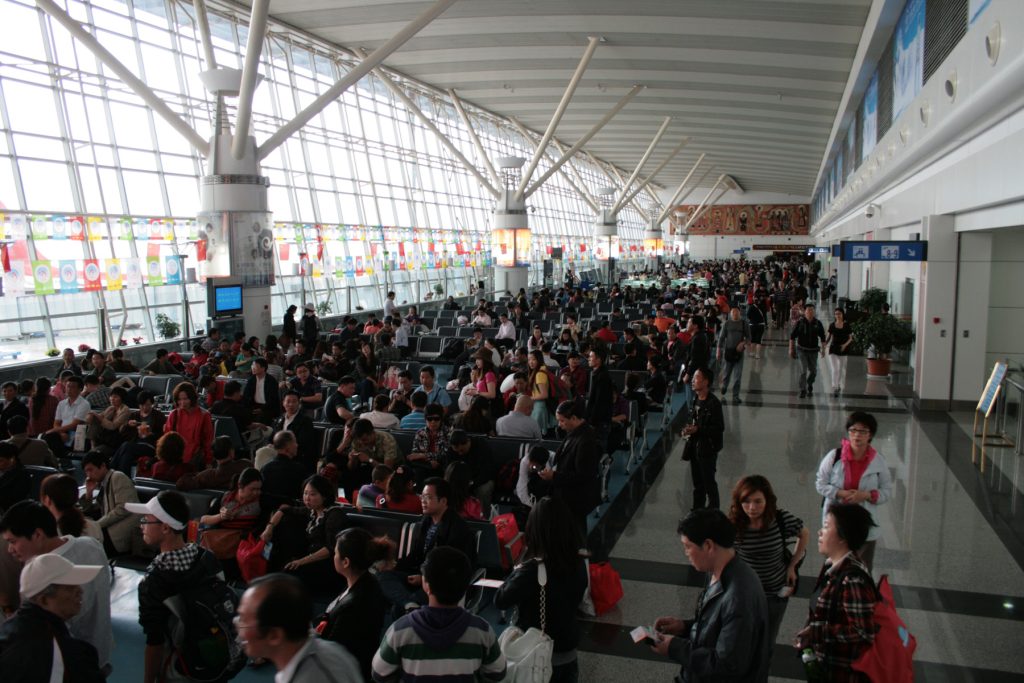
An exit fee is charged by the country you are leaving, and the only reliable rule is that the method of collection changes from one border to the next. Some are folded into the ticket, some are paid at a counter you have to find, and some no longer exist but still appear in older guides.
Most air departures bundle it
On international flights the departure tax is almost always inside the fare. It shows on the ticket breakdown as a code rather than a name, and you pay it when you buy the ticket. Nothing is collected at the airport and no cash changes hands at the gate.
The exceptions are a shrinking list of countries where a small sum is still taken on departure, usually in local currency and usually only on certain routes. The amount is small, often the price of a meal, but the counter may sit in a different part of the terminal from check-in.
Land and river borders are cash counters
This is where exit fees survive in their original form. At a road or river crossing, a booth on the outgoing side may ask for a fee per person, printed on a receipt or not printed at all. The sum is typically a few dollars equivalent, collected in local currency, sometimes in the currency of the neighbouring country, and occasionally in both.
Carry small notes. A booth that cannot break a large bill will hold your passport while someone goes to find change, and that pause is the whole delay.
The receipt is worth asking for
Request one and keep it until you are through the far side. Where a fee is official, the receipt proves payment if a second officer asks. Where the collection is informal, asking for a receipt usually ends the conversation, because the request changes the transaction.
If the sum demanded is far above what the people ahead of you paid, that is information. Compare before you hand anything over.
Departure by sea and by rail
Ferries often include the port tax in the ticket, particularly on scheduled international routes, and the charge stays invisible. Smaller boats and private crossings may take a port fee separately at the jetty, in cash, before boarding.
International rail is closer to air, with the tax inside the fare. Where a sleeper crosses a border in the night, an officer may wake you to check documents, but that is immigration rather than a fee and no payment is expected.
Where the charge applies to a vehicle rather than a person, it is taken at the same booth and usually at a higher rate. A car carrying four pays once, which changes the per-person arithmetic on a group crossing.
What to actually carry
- Small notes in the local currency, enough for two or three people.
- The ticket or boarding pass, showing the tax is included.
- A little of the next country’s currency for the far side.
Cards work at airport counters and almost nowhere at a roadside booth. Treat the land border as a cash environment and the airport as a card environment.
Keep the cash separate from the passport. Notes folded into the document page slow every check at both ends of the crossing and mark you as someone who has not done this before.
Guides go stale on this point
Exit fees are abolished more often than they are introduced, and the abolition rarely reaches the guidebook. A fee described as payable at the airport may have been folded into the ticket years ago, leaving a counter that no longer exists.
Check the current position with the airline or the border authority rather than a forum post, and treat any figure older than a couple of years as a rumour. Being wrong costs little in money and a great deal in time when a connection is waiting.
Airline call centres will confirm whether a departure tax sits inside the fare, and the answer usually takes a few minutes. A border authority publishes land fees where they are official, often on a page that has not been redesigned in a decade.
The fee itself is rarely the problem. The problem is expecting one method of collection and meeting another, and the remedy is the same everywhere: small cash, a kept receipt, and the current rule rather than the remembered one.