Visas & Entry
Visa on arrival or e-visa in advance: time, cost and failure modes
 By
·
October 4, 2026
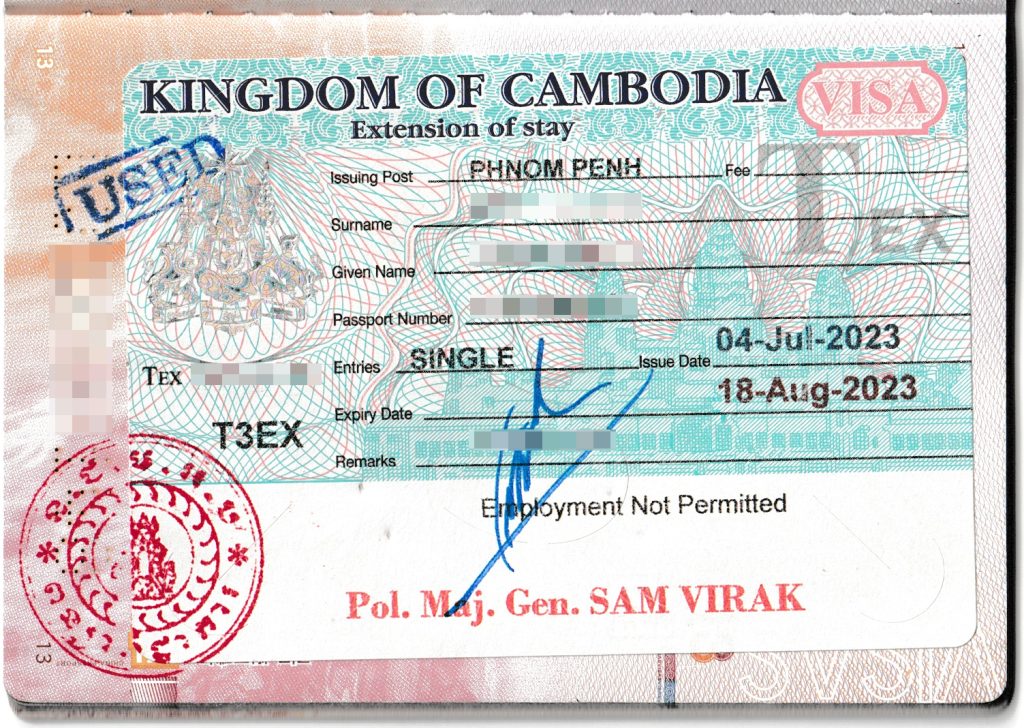
An e-visa trades money and a printer for certainty, while a visa on arrival trades certainty for a queue. Neither is faster in every case, and the ways they fail are different enough that the itinerary should decide, not the price list.
The first question is not which option is cheaper. It is which one your port of entry actually supports, and whether you can absorb being turned away at a check-in desk with a non-refundable ticket.
Two documents, two timings
An e-visa is approved before departure and is normally tied to a passport number, a port of entry and sometimes a date range. A visa on arrival is issued at the border, at a counter, against a fee paid on the spot.
The timing is the whole decision. An e-visa moves the risk into a period when you can still change plans. A visa on arrival leaves it at the end of a long flight, in a language you may not read, with no fallback.
What the e-visa costs
Government fees for a short-stay e-visa commonly run from roughly 25 to 100 US dollars, with card payment and a service charge added if an intermediary handles the application. Processing is quoted in working days: three to five for the fast schemes, two to four weeks for the slower ones.
Add the cost of a colour printer, because a fair number of borders still want paper, and of applying early enough that a rejection leaves time to reapply or reroute. An application filed a week before departure has no room for either.
What arrival costs in cash
Visa on arrival fees sit in a similar range but are often collected in hard currency, and the counter may take neither cards nor large notes. Airport cash machines are placed before immigration in some terminals and after it in others, which is worth confirming before you fly.
The queue is the real cost. In a busy season it runs from 40 to 90 minutes, and longer when two wide-body arrivals land within half an hour of each other. At a land crossing the counter is often one window serving both directions, and the wait is set by the bus schedule rather than by your own.
Budget the arrival visa as a half-day event rather than as a formality, and avoid booking a domestic connection less than three hours after landing.
Where each one fails
E-visa applications fail quietly. A middle name missing, a passport number with one digit transposed, a photograph on the wrong background, a port of entry chosen that is not on the approved list. The applicant usually finds out at the gate, after the bag has gone.
Arrival visas fail loudly. The scheme is suspended, the fee currency changes, the counter is unstaffed for a shift, or the officer decides the supporting documents are thin. None of that is appealable at one in the morning.
The airline checks first
Carriers are fined and required to fly people back when they board someone who cannot enter. Check-in staff therefore apply the destination’s rules before the destination does, and they work from a system that may not display a visa approved the previous evening.
A printed approval with the reference number, the dates and the port of entry ends the conversation quickly. A screenshot on a phone with no signal does not, and neither does an email in a locked inbox.
Choosing by itinerary
Arriving at a main airport at a reasonable hour with a straightforward case makes the arrival visa workable and cheaper in time. Arriving late, at a land crossing, or with a tight onward connection makes the advance document worth the fee and the printing.
Both routes end at the same desk, and both are judged by the same officer. What changes is where you are standing when the answer arrives, and how many options you still have if it is no.