Regional Costs
Why accommodation cost decides the rest of your daily budget
 By
·
August 6, 2026
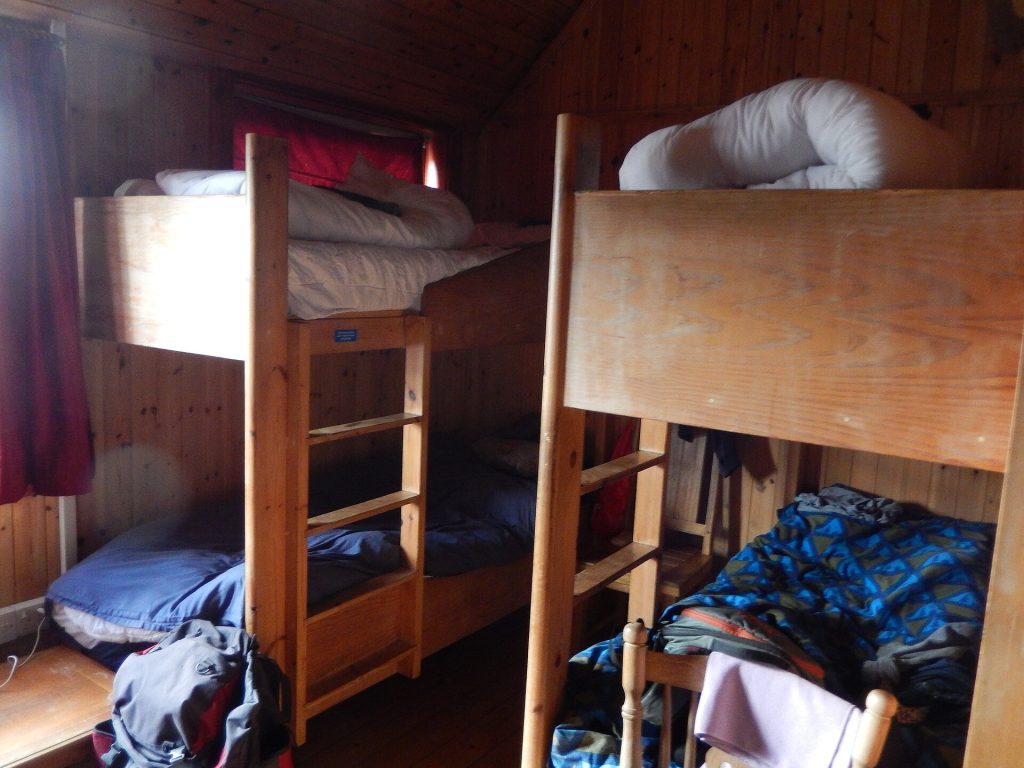
The bed is the one line you cannot change after you arrive, and every other line is priced against it. Accommodation does not sit alongside food and transport in a budget. It sets the space they have to fit into.
This is why two travellers in the same city on the same days can differ by a factor of two without either feeling extravagant. One committed 30 percent of the daily total to a room. The other committed 65 percent.
The bed is a fixed commitment
Almost every other cost can be adjusted the same day. A meal can be downgraded, a museum skipped, a taxi replaced by a bus. A room booked for four nights cannot be downgraded on night two without losing the money.
That asymmetry is the whole argument. The decision with the least flexibility deserves the most attention, and usually gets the least.
Shared and private rooms are not two points on one scale. They change what the room is for. A dormitory bed is a place to sleep and a shared kitchen; a private room is a place to be alone for an evening, and it is priced as such. Choosing between them on price alone tends to produce the wrong answer after a week of travel.
Rent by the week changes the rate
Nightly rates are a retail price. Most accommodation types publish a cheaper rate for seven nights and a cheaper one again for a month, and the step down is often 20 to 40 percent. This is not a loyalty discount. It is the price of a different product.
On a trip of three weeks or more, two weekly bookings are usually cheaper than fourteen separate nights. A monthly rate can undercut both even if you leave after twenty days.
Location trades against transport
A room on the edge of the centre is cheaper by 15 to 30 percent and can cost more than that in daily movement. Do the trade on paper: multiply the transport difference by the number of days, then compare.
The calculation usually favours the centre in cities with expensive transit and thin night service, and the edge in cities where one fare covers a long distance.
Kitchen access reprices food
A kitchen is an accommodation feature that pays out on a different line. Self-catering two meals a day in an expensive food city can return more than the difference in rent within a week.
Where food is cheap, the kitchen earns nothing. The same feature is worth 5 a day in one region and 25 in another.
Long stays reward different buildings
Past about two weeks the useful categories change. Serviced apartments, residential hotels and rooms in shared flats start to beat the nightly market, and they come with laundry, storage and a desk rather than a lobby.
These are rarely listed beside short-stay rooms, which is why long-stay budgets are often set from prices that no longer apply.
Deposits and fees sit outside the rate
A deposit is not a cost if it returns, but it is a cash requirement, and a foreign card can carry a fee on both the charge and the refund. Some properties add a cleaning charge, a city tax per person per night, or a card surcharge.
Put those in the first week rather than spreading them. They arrive as a lump and distort the daily average if you leave them out.
Choose the bed before the city
Set the accommodation line first, at the rate that applies to your actual length of stay, then let food and transport fit the remainder. Doing it in the other order produces a budget that looks balanced and collapses on contact.
The bed is not the largest line in every region. It is the line that decides how large the others are allowed to be, which is a different kind of control.