Borders & Transfers
Two-airport cities: how the arrival point decides your first two hours
 By
·
August 3, 2026
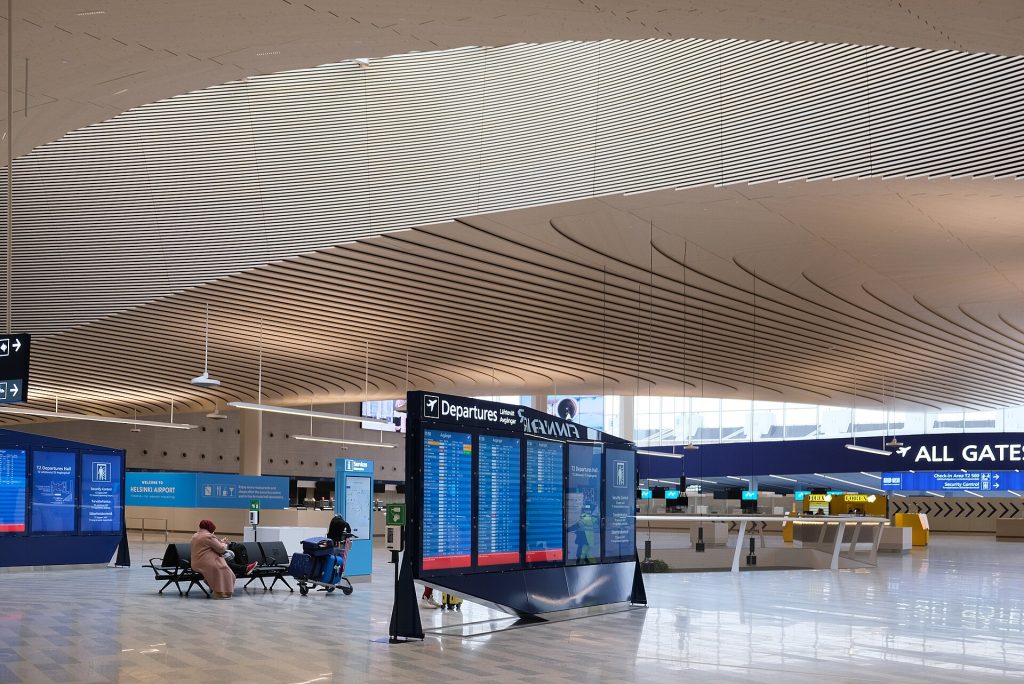
The airport code on your ticket decides more about your first day than the flight does. In a city with two airports, the cheaper arrival is often the one that costs an extra hour and a ground transfer you did not budget, and that difference is settled before you book.
Two airports rarely serve one city
A second airport usually sits thirty to sixty kilometres from the centre, on the opposite side from the main one, with no shared rail link between them. One may have a suburban train that reaches the central station in half an hour; the other may have a coach that ends at a bus station on the edge of town.
Distance on a map misleads. What matters is whether fixed rail exists, because a train runs to a timetable you can plan against and a road does not.
The transfer cost is not the fare
Compare door to door, not airport to station. A train ticket of a few euros still leaves a walk with luggage at the far end, and a taxi from a secondary airport can cost three or four times the train while saving twenty minutes.
Add the late-night gap. Airport trains and coaches often stop between midnight and five, and the taxi that replaces them is priced for the absence of competition. A 23:40 arrival can cost more in ground transport than the flight saved.
Immigration queues differ by airport
A large hub takes several wide-body arrivals at once, and the non-citizen queue at a peak hour can run forty minutes or more. A secondary airport handling one flight at a time clears in ten, but keeps fewer desks open and has no margin when two flights land together.
Small airports also close. If the last arrival of the day slips, staff go home and the hall shuts, which turns a two-hour delay into an airport hotel and a rebooked morning.
Customs is the quieter half of the same calculation. A secondary airport with one arrival has one belt and one inspection lane, so a bag pulled for a check can add twenty minutes with nobody behind you to absorb the delay.
Check which airport the next leg uses
On a multi-city route the arrival airport and the departure airport for the onward flight are frequently on opposite sides of the city. A cheap arrival in the west and an early departure from the east is a four in the morning transfer, not an evening walk.
Booking both legs through the same airport, or a hotel between the two, usually costs less than the fare difference once the transfer is counted.
Terminal changes cost more than they look
Some secondary airports route low-cost arrivals through a terminal with no rail connection of its own, served by a shuttle that runs every twenty to thirty minutes. The connection is free and still costs an hour.
Baggage is the other tax. A hub arrival with a checked bag adds twenty to forty minutes at the belt, and a tight self-transfer between two terminals is the most common way a cheap ticket becomes a missed connection.
Before booking, four things are worth confirming:
- The rail link from the terminal, or coach only
- The last service of the night and the taxi price after it
- The terminal the onward flight leaves from
- Whether a checked bag must be reclaimed before the transfer
Pick the arrival you can recover from
The rule that survives a delayed flight is this: a rail link, arriving before the last train, at the airport the next leg leaves from, is worth a fare premium. Everything else is a saving you pay back on the ground.
Two airports in one city are two different cities for the first two hours. Choose the one whose worst case you can still fix at midnight, and the fare stops being the deciding number.