Rail & Buses
Seat reservations on European trains: compulsory or pointless
 By
·
September 5, 2026
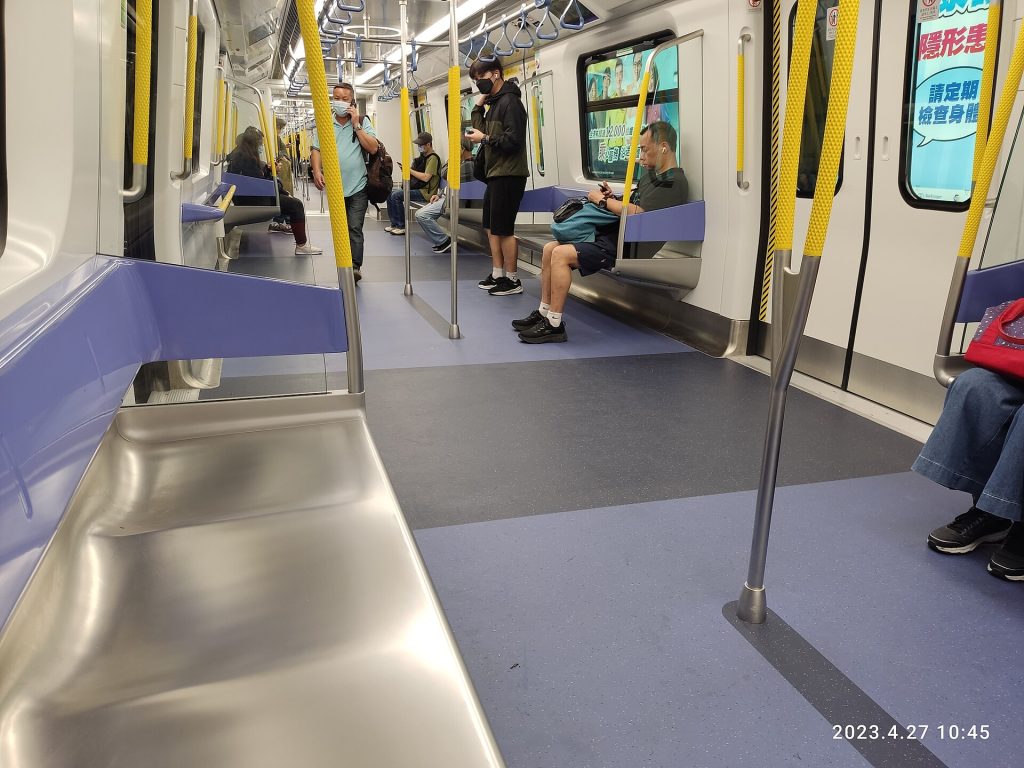
A reservation is compulsory when the train is reservation-only, and pointless when the ticket already includes a seat.
Two systems wearing the same word
In one system the reservation is a condition of travel: no reservation, no boarding. In the other it is an optional extra that assigns a specific seat on a train where seats are otherwise unassigned.
Confusing the two produces the two common errors, paying twice for a seat on a train that allocated one automatically, and boarding a train that will not carry you without a booking.
Trains that refuse you without one
Reservation-only covers almost all high-speed lines, international high-speed services, every night train, and most scenic and mountain railways. On these, a ticket or a pass without a reservation is not a valid ticket.
Enforcement varies. Some operators sell a reservation on board with a penalty of 10 to 25 euros; others put you off at the next stop. Do not plan on the first outcome.
The list is not only about speed. A slow international train can be reservation-only because the border formalities depend on a manifest of named passengers, so the booking is part of the immigration process rather than a comfort upgrade.
Regional trains where it changes nothing
Regional, suburban and most cross-country stopping trains take no reservations at all. You buy a ticket, validate it, and sit anywhere. Paying for a reservation on this class of train is a payment for nothing.
The distinction is printed on the timetable and on the ticket. If the train carries no reservation symbol, there is nothing to buy.
One exception catches people out: the same route can run as a regional service in the morning and a reservation-only express in the afternoon. Check the specific departure, not the line.
The pass holder’s separate problem
A pass covers the fare on reservation-only trains but never covers the seat. A pass holder therefore pays 3 to 20 euros per high-speed leg and 30 to 90 for a night berth, and none of that appears in the pass price.
Pass reservations also draw on a smaller quota than ordinary tickets on some domestic high-speed routes, so a train can show seats for sale and still refuse a pass booking.
Missing your reserved train
A reservation ties you to one departure. On a discounted advance ticket, missing it usually means the ticket is worthless and a new fare is due at the window.
On a flexible ticket or a pass, only the reservation is lost, and the next train can be taken with a fresh one if seats remain. That asymmetry is worth 5 euros on any day with a tight connection.
When a seat is worth paying for
- A group that wants to sit together on a route with unassigned seats
- A leg of six hours where a table or a window changes the day
- A bicycle space, which is reservation-only even on some regional trains
None of these are compulsory. All of them are cheaper than changing plans later, and all of them are best bought with the ticket rather than at the station.
Reading the fare conditions first
Before adding a reservation, check what the ticket already contains. A reservation-only ticket normally carries a seat number; a flexible ticket on a reservable train does not, and needs one bought separately.
Reservations usually open around 90 days ahead and sell out on peak routes before the train does. A pass that is valid but unreservable on the day you need it has the same value as no pass.
The word on the timetable tells you which system applies. Compulsory means the train will not move with you in an unreserved seat, and optional means a reservation buys only certainty about where you sit.