City Transit
Night buses and late arrivals in a city you have not seen by day
 By
·
September 1, 2026
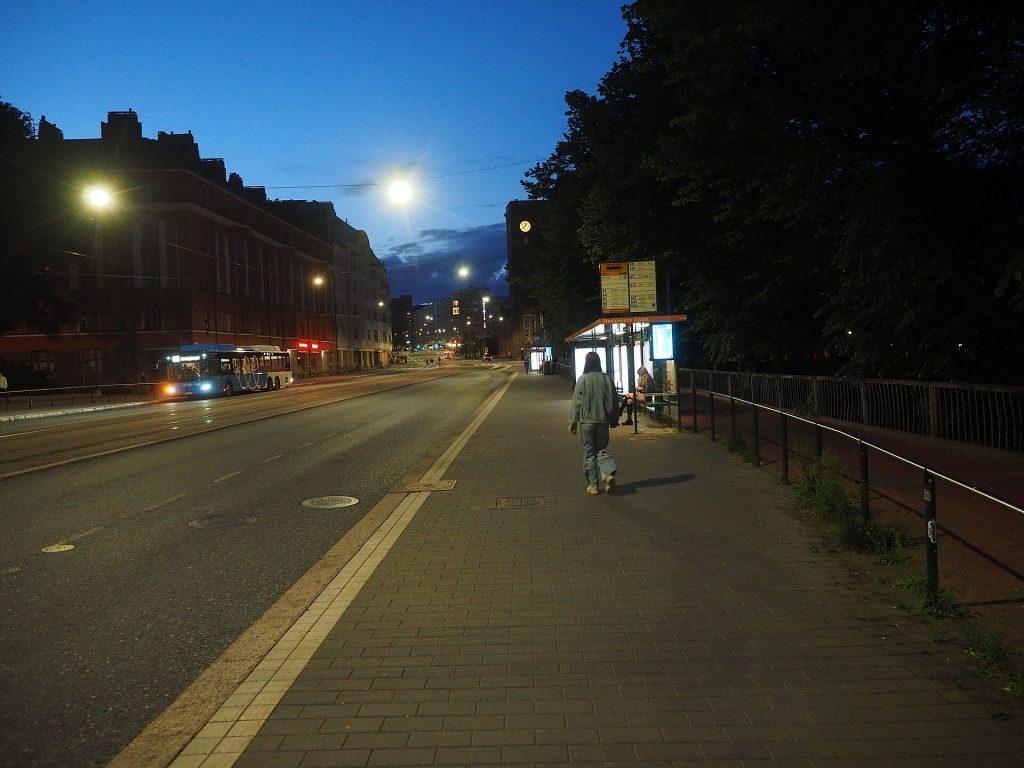
The night bus network is not the day network running late. It is a smaller map with different routes, moved stops, and a last departure that falls hours before the first train, and it is the only cheap way out of a station at two in the morning.
Fewer routes, longer waits
Night services usually run every 20 to 40 minutes rather than every five, and they converge on a handful of corridors instead of covering the city. Route numbers often carry a letter or a prefix to mark them. Read the timetable at the stop, not the one in your head from the daytime journey, because the two may share a number and nothing else.
Some cities run night services at weekends only, and a Thursday arrival finds nothing at all. Check the day of the week on the timetable, not just the hour printed beside it.
Stops are not where you left them
Night stops move. A route that runs along a pedestrianised street by day is diverted around it after the barriers close, and the stop ends up a block away, on a road with no shelter and no light. Some routes skip the terminal loop entirely and start from the far side of the station, which is not where the taxi rank is.
Announcements thin out after midnight and the driver may not call the stop at all. Watch the street rather than the screen, and count stops from a map you have already opened, not from memory.
Buy the ticket before you board
At night the kiosk is shut and the driver sells singles, usually at a higher price and usually for cash with the right change. Card readers on the vehicle may be switched off, and a note of large denomination may not be accepted at all. Break a note at the airport before you travel, and keep coins separate from the rest of your money.
Some networks sell a night ticket that stays valid until the metro restarts, which costs less than two singles if you intend to come back before morning. Ask for it by name at the machine or the kiosk, because the driver may not offer it.
The first metro sets your floor
Trains start again between about half past five and six, which means a three in the morning arrival faces a two-hour wait or a taxi. The station concourse may close, the heated waiting room may be on the other side of a barrier, and the only open building is a food outlet with prices to match. Decide before you land whether that wait is acceptable.
Hotels close their desks
Reception hours are a real constraint. Small hotels and guesthouses often lock the door at eleven and leave a key box with a code sent by message, which requires a working phone and a booking in your name. Some cities require passport details to be registered at check-in, and a property that cannot process them at three in the morning will turn you away until daylight.
Message the property with your arrival time before you fly, and keep the reply offline. A code in a message you cannot open on landing is the same as no code at all.
Walk the last block on purpose
Get off one stop early rather than late, so the walk happens on a street you have already seen from the window. Keep to the main road instead of the shortcut through a park, and carry the map offline, because a phone that needs to load a map at a strange corner advertises that you are lost. Walk with purpose even when you are not sure of the next turn.
What a taxi is worth at that hour
The night tariff runs 20 to 30 percent above the day rate, and the surcharge buys more than speed. It buys a door-to-door journey with your bags in the boot and no forty-minute wait at an unlit stop for a bus that may already have gone. On the first night in an unfamiliar city, that is usually the better trade.