Visas & Entry
Passport validity rules by region, and why six months is not universal
 By
·
October 26, 2026
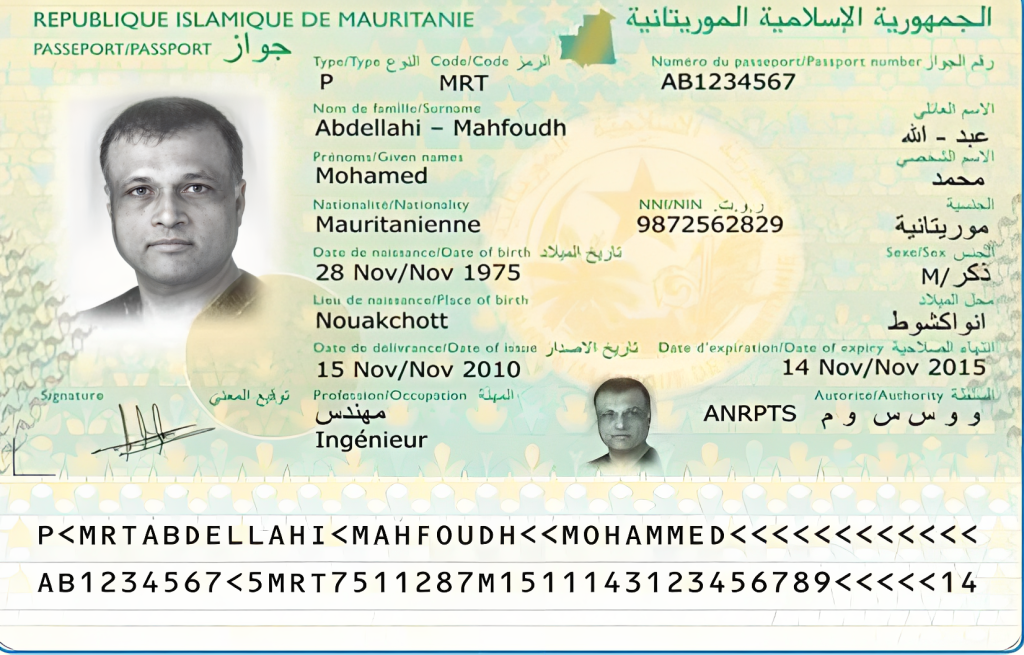
Six months is a habit, not a rule. Passport validity requirements are set country by country, and the common standards differ enough that a passport with five months left can be accepted at one border and refused at the next.
Three separate clocks matter: how long the passport stays valid after you leave, when it was issued, and how many blank pages remain. Most travellers check only the first, and the second is the one that quietly cancels trips.
Where six months is required
A large group of countries across Asia, Africa and the Middle East require validity for six months beyond the date of entry or departure. Thailand, Indonesia, Vietnam, China and India fall into this group in most circumstances, as do many Gulf states and a long list of African ones.
For a three-week trip, that means a passport with under seven months left is a risk rather than a technicality. Renewal queues of four to eight weeks turn that risk into a missed departure, and the queue lengthens in the weeks before peak season.
Some of these countries count the six months from arrival and some from departure, which adds up to a month of difference on a long trip. Read the wording rather than the summary on a booking site.
Where three months is enough
The Schengen area requires validity for three months beyond your intended departure, not six. That is a lower bar, but it arrives with a second condition that catches older documents: the passport must have been issued within the previous ten years.
This matters where a renewal adds months to an existing booklet instead of issuing a new one. The passport can be valid for years and still be refused at the counter, because the issue date, not the expiry date, fails the test.
Where validity only has to cover the stay
The UK, the United States, Canada, Australia and Japan generally ask only that the passport be valid for the period of the visit, although the airline may apply a stricter check of its own. Entry under a visa waiver usually needs an electronic authorisation tied to that specific passport, so a replacement document means a fresh application and another fee.
This is the group where a passport expiring in six weeks can still work, provided nothing else in the plan depends on it and the return leg is booked.
Two blank pages, facing each other
A number of countries require two blank pages, and some specify that they must face each other. Long-haul travellers with a nearly full booklet tend to discover this at check-in rather than at the border, which is the worst possible place to learn it.
Counting is quick: a clean page counts, a page with one small stamp does not. If the booklet is close to full, renew before the trip rather than carrying an old and a new passport together, since the visas in the old one may not transfer.
The dates that decide it
Work out the requirement from the date you leave the destination, not the date you arrive, and apply the stricter of the destination and any country you transit. A connection through a state with a six-month rule can void a trip that the final destination would have allowed without comment.
Then compare that date with the issue date, and with the renewal timeline at home. Passport offices quote ranges rather than promises, and the range is widest when demand is highest.
Six months is a sensible default because it satisfies the strictest common requirement, but a default is not a standard. The rule that applies is the one written by the country whose officer will open the booklet, and that wording is worth reading before any ticket is bought.