Borders & Transfers
Overnight crossings: timing the border so you arrive in daylight
 By
·
July 12, 2026
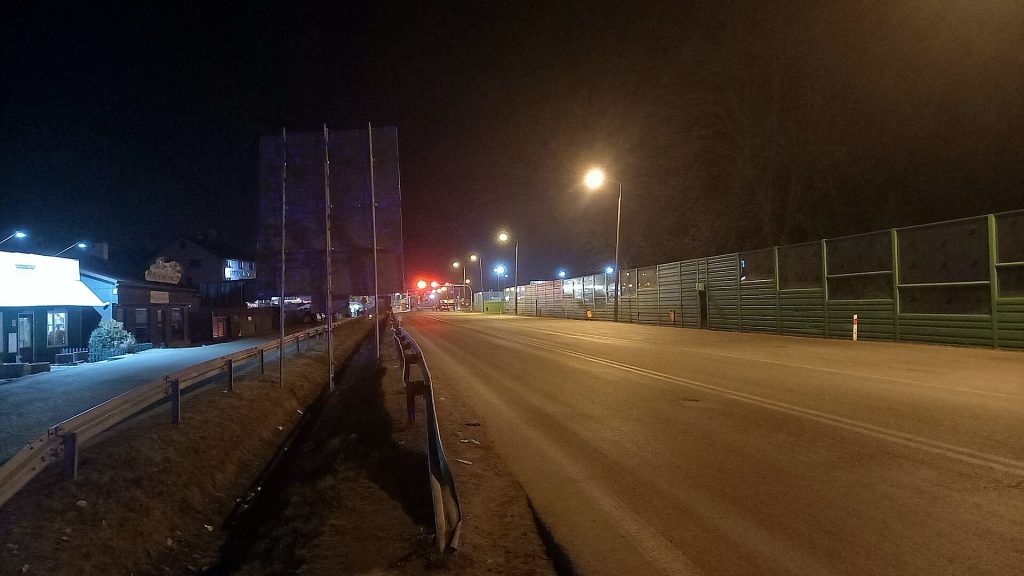
A night bus that reaches the frontier at three in the morning hands you the worst hours of the crossing. The timetable is built around the operator’s schedule, not around the officials who have to process you.
Borders keep office hours
The main road crossings are usually staffed around the clock, and thinly between midnight and five. Two or three officers cover a hall built for twenty, vehicles are processed one at a time, and nobody senior is on duty to settle a question about a visa or a missing stamp.
Secondary crossings are worse. Many close at night and reopen at six or seven, which leaves a night bus parked in a lay-by for two hours with the doors shut and the engine off.
Night buses arrive at the worst hour
Operators schedule for the market, not the passenger. A departure at eight in the evening reaches the border between two and four, because the road is empty and the run fits inside one driving shift. The timing is deliberate and it is not in your interest.
You arrive with a full bus, in the dark, often without a working toilet or anywhere to buy water, and the crossing takes as long as it takes. Daylight does not shorten the queue by itself, but it makes every problem visible and fixable.
Daylight is a working margin
A crossing in daylight leaves room for the things that go wrong: a form needing a second copy, a currency you have not changed, a driver walking back to an office for a manifest. At two in the morning each of those costs hours rather than minutes.
It also leaves room on the far side. Arriving at nine gives you a morning to find a bed, a local SIM and a bus onward. Arriving at four gives you a locked town and a bench.
Choose the crossing, then the vehicle
Work backwards from the border instead of forwards from the departure city. Pick the crossing point, find the hours when it is properly staffed, and then choose the bus or train that reaches it in the morning.
That often means a daytime bus to a town near the frontier, one night in a guesthouse, and an early crossing on foot or in a shared van. It costs a night of accommodation and removes the whole category of night-arrival problems.
Walking across beats riding through
At many land crossings passengers have to leave the vehicle anyway, queue at exit formalities, walk the gap between the two posts, and queue again on the other side. The bus waits, but it waits on its own schedule, and a full bus clears far slower than a pedestrian.
Crossing on foot in the morning puts the pace in your hands. You can step back for a missing stamp without holding up forty people, and you can see the exit desk, which is where the charge you were not told about gets collected.
Plan the far side before the crossing
Know the currency of the country you are entering before you reach the window, even if it is only enough for a bus. Change desks at land borders quote poorly and close early, and the first town may be twenty kilometres past the post.
Have the address of your first night written down, in the local script where the script differs, because an officer may ask for it and a driver will need it. A phone with no signal is not an address.
Timing is the part you control
The queue, the officer and the vehicle are outside your control. The hour you present yourself is not. A crossing at eight in the morning and the same crossing at three are one border and two different days.
Put the daylight where the risk is, and let the night do the one thing it is good for, which is moving you along a road while you sleep.