Long-Haul Flights
When to book a long-haul flight, by region and season
 By
·
July 4, 2026
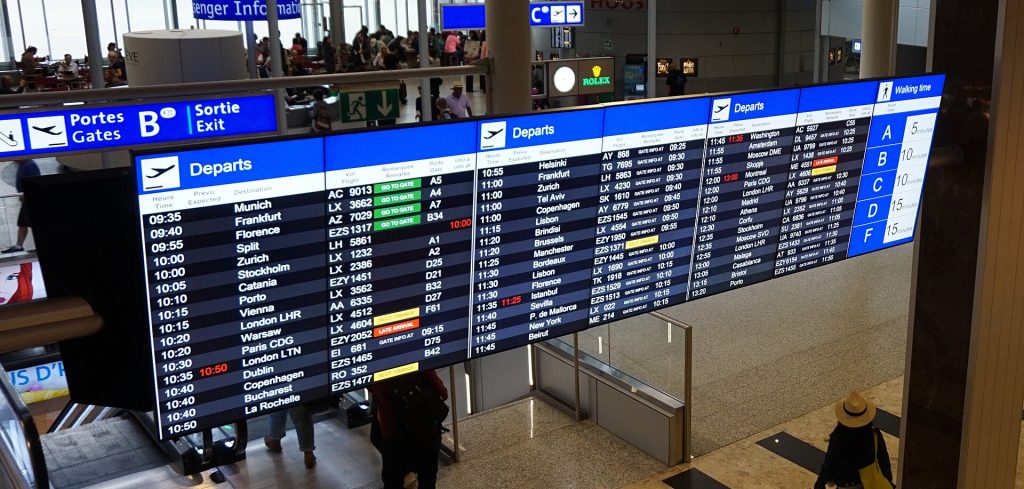
Fare curves do not share one shape. The cheapest week to buy a transatlantic ticket usually comes earlier in the calendar than the cheapest week for a flight to Southeast Asia, and neither follows the countdown rule that gets repeated in comment sections.
A floor, not a single best day
Fares fall as departure approaches, sit near a floor for several weeks, then rise steeply in the last six weeks as the cheapest inventory sells out. The floor is a band, not a date, and the band moves with the route.
That is why waiting for the perfect Tuesday is usually a mistake, and why booking three weeks out is usually too late for a peak-season long-haul seat. The band is what you are aiming at, not a moment inside it.
It helps to know which side of the floor you are on. Fares well above it will come down, and waiting costs you nothing but attention. Fares at or near it will not improve much, and every week of waiting adds the risk that the cheapest bucket closes while you are still comparing.
Transatlantic prices early
North Atlantic routes carry the most capacity and the most competition, and they also carry the most fixed holiday demand. The useful window is roughly three to five months before departure, and four to six for July and August.
Business cabins on the same routes behave differently, with the best prices often appearing later as unsold seats are discounted close to departure. That is a separate purchase with a separate risk, and the cheap seat may not be on the day you need.
Asia and the Pacific reward patience
Routes to East and Southeast Asia have fewer competing carriers on each city pair and longer aircraft rotations, so pricing is set further out. The floor tends to sit four to six months ahead for peak periods and three to four for the shoulder.
For travel in the northern winter, the cheapest seats for the late-December weeks are usually gone by early autumn. For May and June, the window extends into February. Flights to Australia and New Zealand add a second peak around the southern summer, which pulls the whole curve earlier.
Middle East hubs sit between the two patterns. Capacity is high and competition between connecting carriers is real, so fares hold a floor for longer and late booking is punished less than it is on a direct Asian route.
Season beats lead time
A fare is a function of demand on the date, not of how far ahead you bought. Booking six months early for a date in the middle of a school holiday buys certainty at a high price, not a bargain.
Moving the departure by four days, or the return by a week, usually shifts the price more than any change of booking date. Calendar flexibility is worth more than timing skill, and it costs nothing to check before you commit.
The same logic applies to the season itself. Two weeks either side of a peak can halve the fare and change the weather by very little, which is why the shoulder months carry most of the value on long routes.
Booking early has costs too
Schedules are loaded roughly eleven months ahead and can change. An early ticket is more exposed to a schedule change, a route cancellation or an equipment swap, and the rebooking options at that point are whatever the carrier offers.
Early fares are also the least flexible. The saving is real, but part of it is payment for accepting a ticket that cannot move, and a trip planned a year out is the trip most likely to need to.
Set a price and stop looking
Pick a number you would be content to pay, check the route twice a week, and buy when the fare reaches it inside the sensible window. Watching daily adds anxiety without adding information, because the price you see is one of several the carrier shows to different buyers.
The window is a range because the floor is a range. Treating it as a date to be discovered is what turns a simple purchase into a month of refreshing a browser tab, and the fare at the end of that month is rarely the one that was there at the start.