Rail & Buses
Night train berth classes and what each one buys
 By
·
November 9, 2026
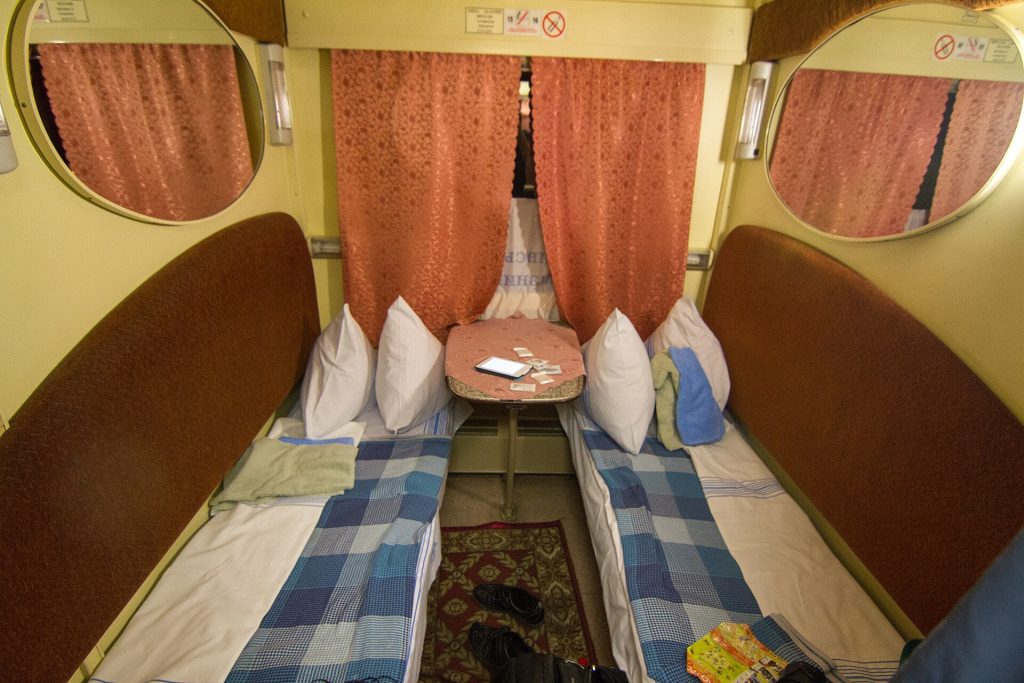
A night train sells two things at once, a bed and a night of accommodation, and the berth class decides how much of each you actually receive.
European night trains run the same three-tier structure almost everywhere. The names differ between operators; the physical difference does not.
Three classes, three different nights
At the bottom is the reclining seat, usually in a six-seat compartment or an open carriage. It is the cheapest fare on the train and the only one that is not a bed.
In the middle is the couchette, a flat bunk in a shared compartment of four or six. Top bunks sit close to the ceiling and are the last to sell.
At the top is the sleeper, a proper bed in a cabin for one, two or three people, with a door that locks from the inside.
What a couchette really includes
A couchette fare covers a mattress, a pillow, a blanket or a sleeping bag, and a shared washroom at the end of the carriage. It does not cover a shower, and it does not cover quiet.
Six-berth compartments are standard. Four-berth costs roughly 20 to 40 percent more and buys space per person. Bags go under the lower bunk or on a rack above the door, and a large suitcase fits badly in either place.
- Couchette: flat bunk, bedding, shared washroom, no shower
- Sleeper: made bed, washbasin in the cabin, shower in some classes
- Seat: reclining chair, no bedding, lights stay on
Sleepers cost more than they look
A sleeper berth typically adds 90 to 200 euros to the fare, against 40 to 90 for a couchette and 20 to 40 for a seat. Solo occupancy of a double cabin is priced close to two full fares.
The comparison is not against another train, though. It is against a hotel room in the arrival city, which in most western European capitals runs 90 to 180 euros a night. That is where the sleeper stops looking expensive.
Seated carriages are a false saving
The seat fare undercuts a budget hotel by a wide margin, and it is chosen by people who then arrive unable to function. Six people in a compartment, lights on at every station, and an arrival at six in the morning is not a night of rest.
The seat works on journeys under about eight hours, or for travellers who genuinely sleep upright. Otherwise the money saved reappears as a lost first day and a hotel room you cannot enter until afternoon.
The hours a night train saves
A departure between 19:00 and 22:00 and an arrival between 07:00 and 09:00 replaces a hotel night and a travel day at the same time. That double saving is the actual product.
On a route with eight or nine hours of daytime running, the night train consumes no daylight at all. On a route with four hours of daytime running, it costs a full night of sleep to save half a day, which is a poor trade.
Booking windows and the price ladder
Night trains open for sale roughly three to six months ahead, and the cheapest berths in each class are quota-limited. Prices climb in steps as departure approaches, and the lowest couchette fares on summer routes are usually gone a month out.
Book the class you want rather than the cheapest available and an upgrade later. Operators rarely allow a class change on a discounted night fare.
Where the sums stop working
Long single-night runs of ten to fourteen hours are where berths earn their price. Short hops of five or six hours, or routes with a change at two in the morning, are where the arithmetic collapses and a daytime train plus one hotel night is cheaper and calmer.
Count the hours the train replaces rather than the hours it takes, and the berth class follows from the answer.