Regional Costs
When a city pass costs more than paying at the door
 By
·
June 23, 2026
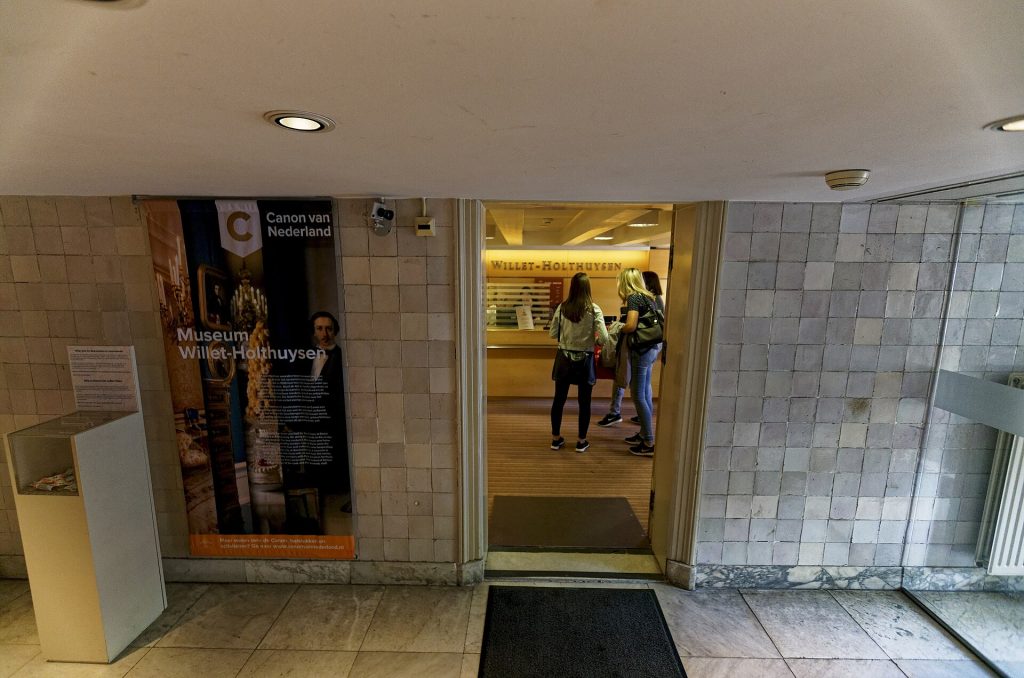
A city pass pays off when the discount exceeds what you would have spent without it, and that is rarer than the sales copy implies. Most passes are priced against a visitor who enters four or five paid sites a day for several days running.
The pass is not a scam. It is a bundle sold to a hypothetical customer, and the arithmetic only works when your plans resemble that customer’s. For a three-week trip, the cost of being wrong is a few days of admissions you cannot recover.
Passes price a fixed itinerary
A pass bundles admissions at a discount and assumes you want the whole set. It is cheaper only if your list matches the seller’s list, in the same order, inside the same window.
Most travellers have two or three sites they genuinely care about and a longer list they would visit if entry were free. The pass is priced on the second list.
The break-even count is simple
Add the door prices of the sites you would visit without a pass, then divide the pass price by that total. If the answer is above one, the pass loses before you add transport or a single closed museum.
Two sites a day for three days is a realistic ceiling for most people. Priced honestly, the arithmetic usually lands close to the pass, which makes it a convenience purchase rather than a saving.
Groups complicate the count in both directions. Family tickets at the door often beat per-person passes for two adults and two children, while a solo traveller rarely qualifies for any group rate at all. Price the group as a unit, then divide by the number of people only for comparison.
Queue access is the real product
Where a pass includes timed entry or a separate entrance, the value is time rather than money. At sites with hour-long queues in high season, an hour saved is worth more than the difference in price.
Where entry is untimed and queues are short, the same feature is worth nothing. Check which kind of site you are buying access to before you count it.
Transport bundles rarely pay
Passes that add public transport are usually priced at or above a multi-day transit ticket bought separately. The transport component exists to make the total large enough to justify the discount.
Buy transport on its own unless the combined price is genuinely lower, which happens mainly in cities with flat visitor fares and no weekly ticket.
Cards sold by a transport authority are a separate product from a museum pass, and are often the better of the two. They cover transit only, cost a fraction of the full card, and leave admissions at the door where the break-even test still applies.
Multi-city passes stretch the maths
Regional passes covering several cities are harder to price because the validity window often starts at first use rather than at purchase. A three-day pass used across two cities in one week can expire between them.
Read the start rule before the price. A pass that begins on activation is a different product from one that begins on the printed date.
Check what the door actually charges
Door prices move. Some museums charge less online, a few charge less at the desk, and temporary exhibitions are usually excluded from passes. Student, senior and resident rates can undercut the pass for one person entirely.
Check closures as well. A pass is priced on a seven-day week, and a museum that shuts one day breaks the itinerary you priced.
Buy late, not early
Buy the pass after a day of walking, when you know which sites you will actually enter. Buying on arrival commits you to a plan you have not tested yet.
The pass is a bulk discount on a fixed list. Where your list is short, the door is cheaper and the days stay open, which is usually the better trade on a long trip.