Visas & Entry
How the Schengen 90/180 rule is counted, and where days go missing
 By
·
November 17, 2026
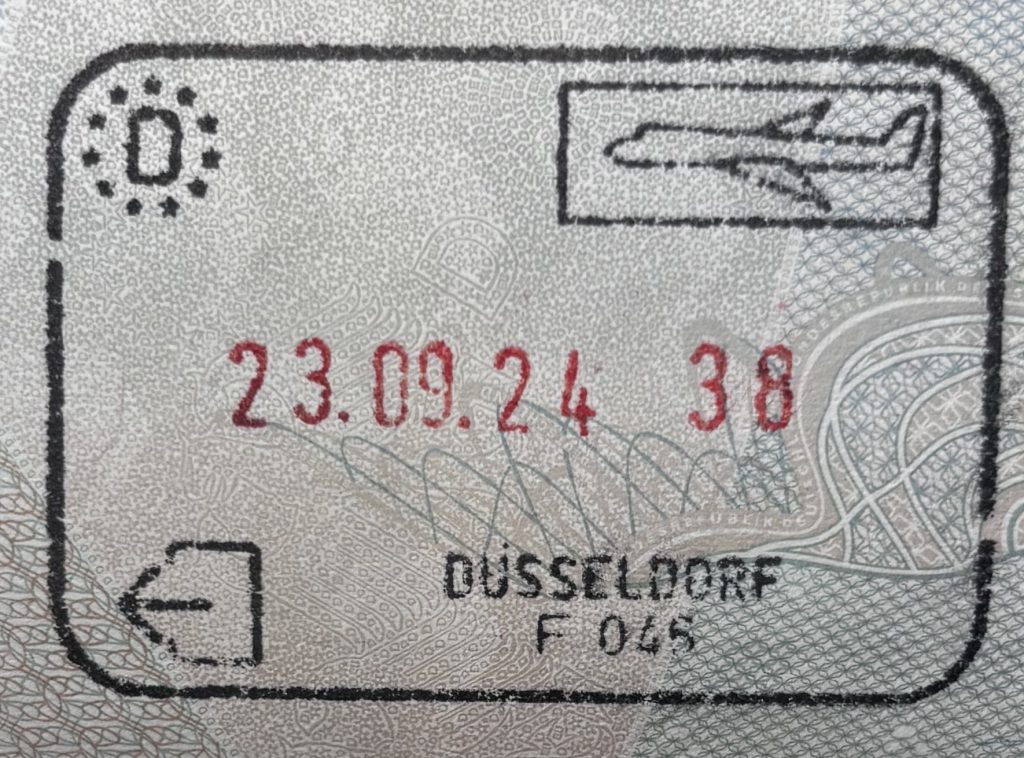
The 90/180 rule is a rolling window, not a yearly allowance, and it is counted backwards from each day you are standing inside the zone rather than forwards from the day you arrived. That single difference explains most of the arguments that happen at a Schengen desk, because a trip planned as three months in and three months out rarely survives contact with an officer who has a calendar.
The window moves every day
On any date you are inside the area, look back 180 days and add up every day of presence. The total must not exceed 90. Tomorrow the window shifts by one day, so a day spent inside the zone 181 days ago drops out and a new day of presence is added at the front.
This is why the allowance feels as though it shrinks over a long trip. In the first weeks there is room to spare. By week ten, the days you are adding are matched by days falling out at the other end, and the total sits flat against the ceiling.
Entry and exit both count
The day you enter and the day you leave are both counted as full days of presence, even if you land at 23:40 and fly out at 06:00. A three-day weekend is three days, not two.
The same logic applies to movement inside the area. Crossing from one member state to another starts nothing and stops nothing, because the count is kept for the area as a whole rather than for each country.
Leaving the zone does not reset it
A week in the UK, Ireland, Turkey or the western Balkans takes days out of the 180-day window but does not clear the counter. You return to the same running total, minus whatever has aged out while you were away.
There is no reset date and no annual refill. A stamp showing that you left is evidence of absence, not evidence of a fresh allowance, and no amount of time outside shortens the wait beyond the rolling arithmetic.
Three common miscounts
- Counting from the first entry of the trip rather than from each individual day of presence.
- Assuming a multiple-entry visa grants a fresh 90 days on each entry. It does not.
- Assuming an airside transit counts. It does not, unless you clear immigration or leave the terminal.
Each of these errors produces the same outcome: a traveller who believes there are days left when the officer’s total says otherwise.
The transit grey area
Staying airside between two flights is not presence in the zone. Leaving the terminal to sleep at an airport hotel, or moving by road between two airports in the same city, means you clear border control, and that day counts.
Overnight trains and coaches crossing an external border are the other place people lose track. One journey can put you inside the area at two in the morning on a date you had not planned for, and the stamp will show it.
Keeping your own ledger
Rely on a list rather than on memory. Record the date of every entry and exit, including short flights that leave the area briefly, then total the days inside the last 180. Two columns and a running sum are enough, and the exercise takes a few minutes a month.
If a second long stay is the plan, work backwards instead. The earliest day of presence stops counting on the 181st day after it. Until that date arrives, those days are still spent, and a booking made in ignorance of them is a booking made against a rule you cannot argue with.
Border systems perform this arithmetic automatically and will not accept a plausible reconstruction at the desk. The officer’s total is the only one that matters, and it is built from the same backward look, which is why the count you keep should be built the same way.