Long-Haul Flights
Connections under two hours: where they hold and where they break
 By
·
June 12, 2026
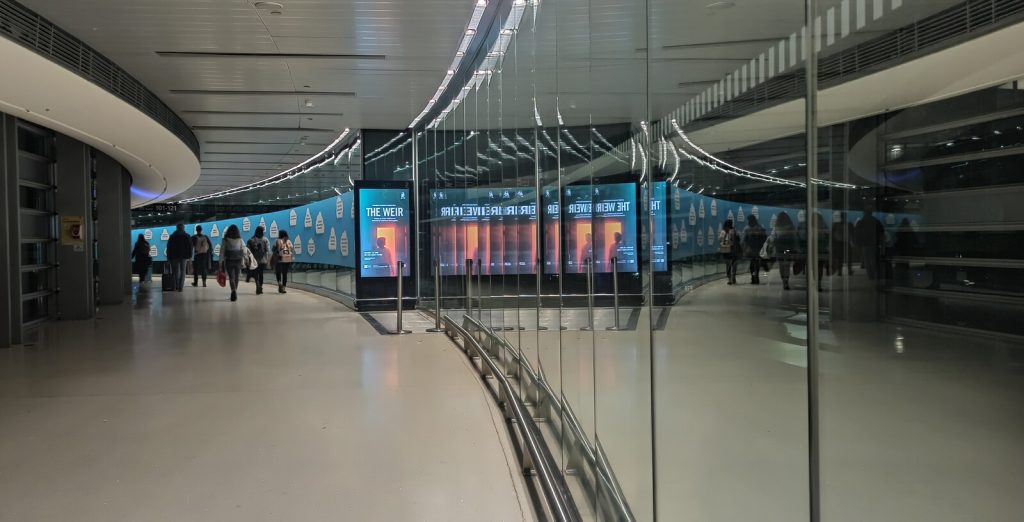
Two hours is enough at some airports and nowhere near enough at others, and the difference is decided by terminal layout and by whether you have to clear immigration on the way through.
Minimum connection time is a floor
Airports publish a minimum connecting time for each pair of terminals, and carriers sell itineraries only above it. The figure assumes an able adult walking at a normal pace with no queue at security, which is not the situation on a Friday afternoon in July.
Treat the published minimum as the point below which the connection is impossible, not as a target. Ninety minutes to two hours is the practical range for a comfortable change inside one terminal.
The first point of entry is the bottleneck
In the United States, Canada and much of Latin America you clear immigration at your first landing, collect your bag, and hand it back for the domestic leg. That sequence alone can take 45 to 90 minutes at a busy hour.
A two-hour connection at such an airport is tight, and 75 minutes is unrealistic. Inside Europe the same applies when you enter the Schengen area, while a transfer between two airports inside it needs no immigration at all.
Same terminal, same carrier, short walk
The easy cases are transfers within one terminal on one carrier, or between carriers that share a concourse. Gates are a few minutes apart, the bag is checked through, and 90 minutes leaves slack for a delayed inbound aircraft.
The hard cases are low-cost carriers that use separate buildings, airports where international arrivals are bussed to a distant hall, and any transfer that means leaving the secure area and queuing to re-enter it. Those can double the walking time without appearing in the published minimum.
One ticket carries the protection
When both legs sit on one ticket, a missed connection is the carrier’s problem. They rebook you on the next flight with space, and where that means an overnight they normally provide a hotel and meals.
The obligation is to get you there, not to get you there on time, so the protection does not prevent the delay. It prevents the delay from becoming your expense and your problem to solve at a counter.
Through-checking matters as much as the rebooking right. On one ticket the bag is tagged to the final airport and the carrier moves it between aircraft, which is the part of a tight connection you cannot do yourself.
Separate tickets carry all of it
Two tickets mean two contracts. If the first flight is late, the second is simply missed, and the value of that ticket is gone unless the fare allows changes or the carrier chooses to be generous.
If you book separately anyway, leave a gap of at least four hours, and never do it on the last connection before a fixed commitment such as a ship, a tour departure or a wedding. The saving on a cheap separate leg is small next to the cost of replacing it.
Winter tightens every connection
Cold weather adds a step that no timetable accounts for. An aircraft must be de-iced before departure, and the queue for the de-icing pad can run from ten minutes to more than an hour at a northern hub in January.
The delay is absorbed on the ground rather than in the air, so it lands directly on your connection. A change that works in June at 90 minutes needs closer to two hours in December, and the same applies at any airport where afternoon thunderstorms are routine.
Reading the airport before you book
- Check the terminal numbers on both legs, not just the airport code.
- Note whether the connection needs immigration and a bag recheck.
- Count the daily alternatives if you miss it.
- Avoid the last connection of the day on a separate ticket.
A connection is a bet on a building and a queue. The two-hour rule holds where both are in your favour, and the same two hours is a gamble everywhere else, which is why the airport matters more than the number.