Rail & Buses
Planning a night bus connection when the terminal cafe is shut
 By
·
July 1, 2026
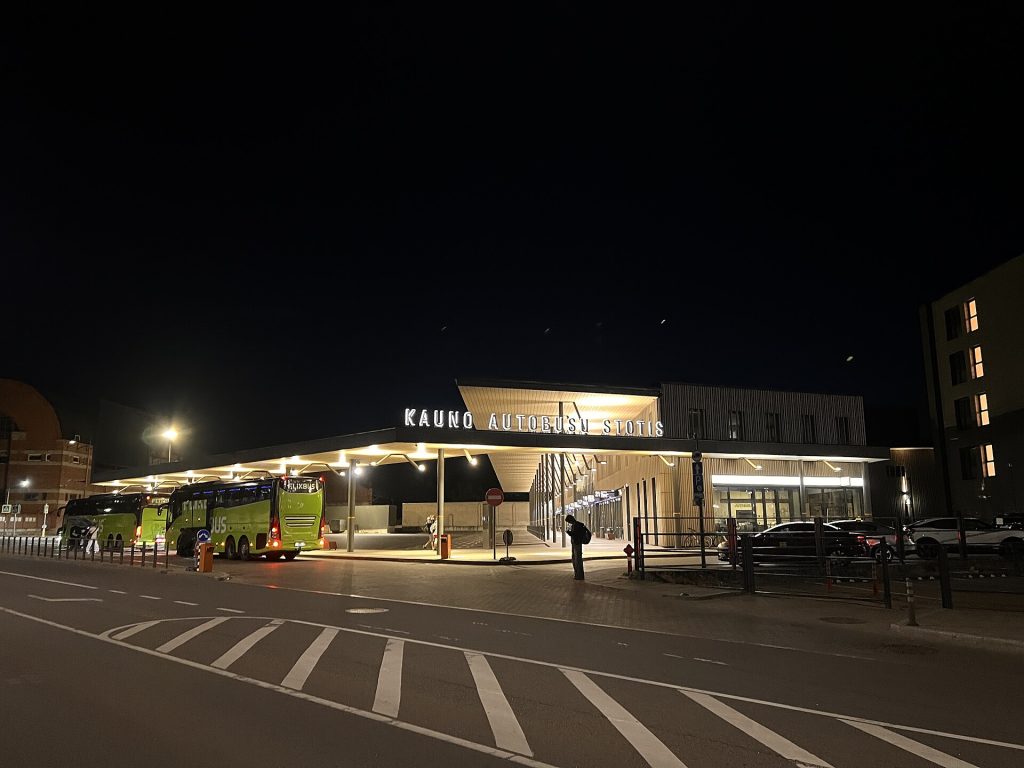
A night connection at a bus terminal tests the building rather than the timetable, because most terminals shut the warm part at the hour the last day service leaves.
Terminals close before the coaches do
In most mid-sized cities the ticket hall and the cafe shut between 21:00 and 23:00, while coaches keep arriving until two or three in the morning. The platforms stay open, the building does not, and that difference decides how the next five hours go.
Check the closing time on the operator’s own page rather than on a map listing. Map entries carry opening hours that were correct years ago and are rarely corrected for stations.
Smaller stops sometimes have no building at all, only a shelter at the roadside with a lit sign. That is a different problem from a closed hall, and it is worth knowing which of the two you are dealing with before dark.
Find the heated waiting area first
Some terminals keep one corner open with lights and a guard; others seal the whole hall and leave a shelter with a roof and no walls. Ask at the ticket window when you buy the inbound ticket, and note the answer. Staff at small stations rotate, and the reply at midnight can differ from the reply at noon.
A fuel station open all night within a few hundred metres is the reliable fallback in many towns. It has light, heat, toilets and a till, and nobody objects to a customer who stays an hour.
A railway station nearby is often the better bet than the bus hall, since the main hall of a railway station frequently stays open for the first morning departures.
Book the longer layover deliberately
Cross-border coaches lose time at the frontier, so a connection of 45 minutes is not a connection in practice. Two hours covers a routine delay; four covers a queue at a border post. If the only option is a tight transfer, book two separate tickets and accept that the second may be lost.
Layovers of six hours or more are worth planning around a building rather than a platform. That may mean paying for a room near the terminal, which often costs less than standing in a doorway until dawn.
- A timetable screenshot with the coach number and platform
- Cash in local currency for a kiosk that takes no cards
- A warm layer that does not need to be unpacked
- The terminal address written in the local language
Border posts change the night plan
On international routes the coach may stop for an hour or more at a checkpoint, sometimes in an unheated hall where the whole bus queues with its bags. Passport control at night is often staffed by one officer. Reaching the far terminal later than advertised is normal, not exceptional.
That is why the arrival time printed on the ticket is an estimate. Plan the onward move for the morning, or book a bed within walking distance of the arrival bay.
What to carry for a cold wait
Cold is the main problem, and it comes up through the floor as much as down from the air. A folded mat or a thick scarf to sit on does more than a second jumper. A flask holds heat for hours, and a power bank keeps the phone alive when there is no socket and no open cafe.
Food matters less than water. Vendors close with the hall, and the machines that remain take coins in the local currency or nothing at all.
The first coach is the insurance
Where the schedule allows, take the earliest departure after the layover rather than the most convenient one. A coach at six in the morning leaves room for a missed connection later in the day, and the terminal at that hour has lights, staff and a kiosk opening.
The building closes on its own schedule, and the timetable was never written around it. Reading both before you buy the ticket keeps a night connection from turning into a night outdoors.