Rail & Buses
Coach luggage limits and the bags drivers refuse at the door
 By
·
August 14, 2026
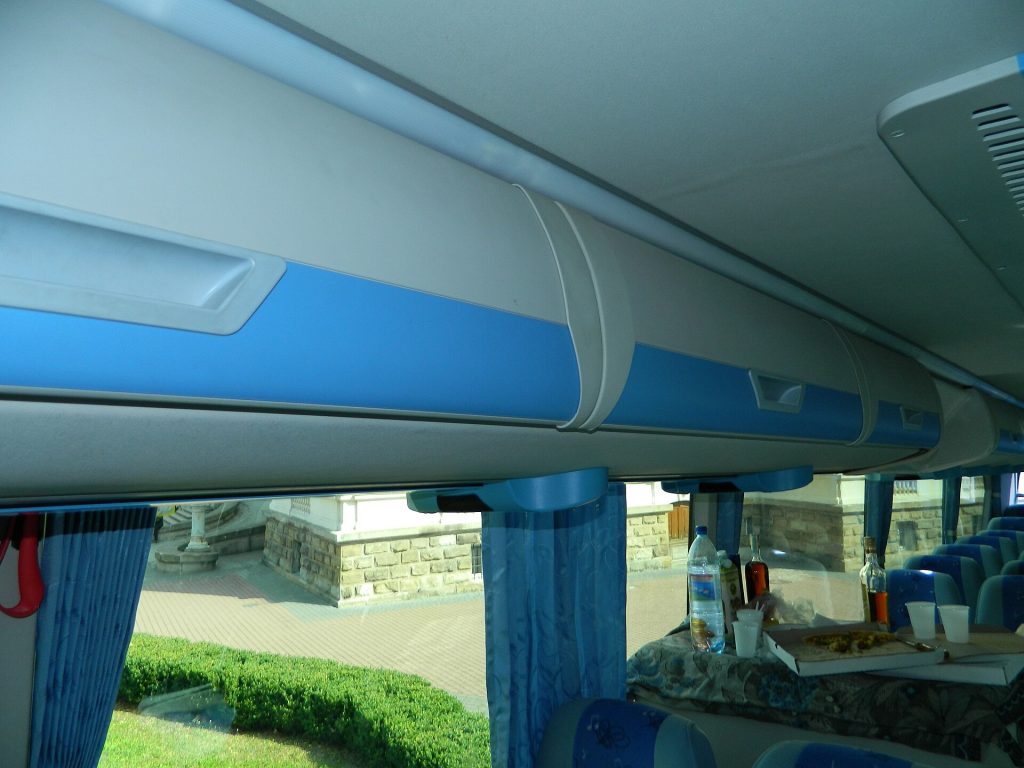
The bag refused at a coach door is rarely the one that is too heavy. It is the one that will not fit through the hatch, and the driver has to make that call in about four seconds with a queue behind you.
Floor lockers set the real limit
Long-distance coaches carry luggage in lockers below the passenger floor, and those lockers are smaller than the ones on a plane. A case of roughly 70 by 50 by 30 centimetres fits in most of them. A large hard-shell suitcase bought for a family holiday often does not, because depth is the dimension that fails first.
Locker height is the constraint people forget. A soft bag can be squashed into a low space; a rigid case cannot. If your bag has wheels and a hard frame, measure the depth including the wheels before you leave.
Weight is checked less than size
Most coach companies publish a limit of one or two pieces per passenger, with a total of around 20 to 30 kilograms, plus one small bag for the cabin. In practice the driver rarely has a scale. The weight limit matters mostly when the hold is full, because then it becomes the argument for turning something away.
Where the limit is enforced properly, it is usually at a desk inside the terminal, not at the vehicle. That distinction decides whether you can pay for excess or simply cannot board.
Cross-border coaches add paperwork
On international routes the bag may be listed on a manifest with your passport number, and it may be weighed so the axle load stays legal. Some operators tag each item with a numbered strip that matches a stub you keep. Losing the stub is not fatal, but it slows the unloading at the far end.
Borders also change what may travel inside the bag. Agricultural products, large quantities of medication and anything that looks commercial can be removed at a checkpoint, and the coach will not wait while you argue.
- One case within the published dimensions, plus one cabin bag
- Total weight inside the operator’s stated range
- Nothing in the hold you need during the journey
- A label with your name and a phone number inside the bag
What drivers turn away at the door
Four things are refused with some regularity: a case too deep for the locker, a bag with a broken handle that one person cannot lift, a loose item with no strap or cover, and anything that leaks. Bicycles and surfboards travel only where the coach has a specific rack, and that has to be booked rather than requested.
The refusal is not personal and it is not negotiable at the door. The driver has a loading plan and a timetable, and an item that does not fit the plan goes on a later coach or stays behind.
Packing so the bag is accepted
Soft-sided bags with a flat profile solve most of these problems. Pack the heavy items at the end that will sit against the back of the locker, so the bag can be pushed in rather than dropped. Keep a strap or a length of cord in an outside pocket; it turns a loose item into a bundle.
Arrive early enough to be near the front of the queue. The first passengers get the easy spaces, and the last ones get the awkward corner where a large case will not go.
When the hold is already full
A full hold is a real outcome on holiday weekends and on the last departure of the day. Some operators then charge a baggage fee at the desk, some move the item to a later coach, and some refuse boarding. Knowing which of those applies is a question for the ticket desk before you buy, not for the driver after.
The measurement that settles all of it is taken at home, with a tape, on the bag you actually intend to bring. Everything at the door follows from that number.