Visas & Entry
Multiple-entry visas pay for themselves when a route doubles back
 By
·
August 21, 2026
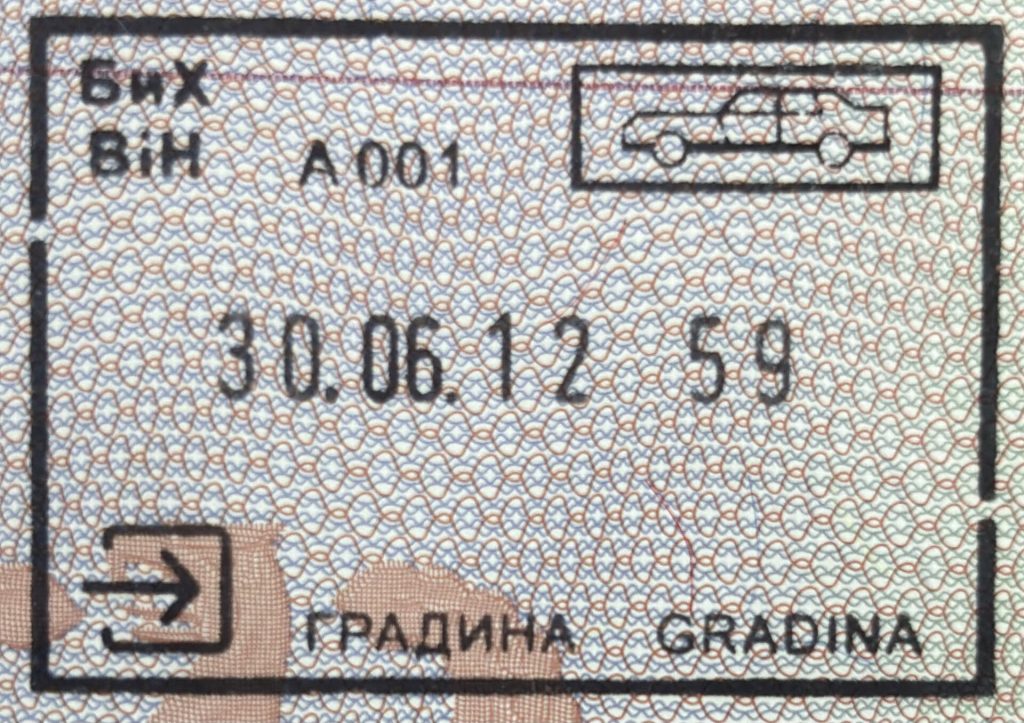
The multiple-entry visa earns its higher fee when the route crosses the same border twice, and rarely earns it otherwise. The price difference is the smaller half of the calculation; the second application you avoid is the larger half.
The fee gap is smaller than it looks
Most consulates price multiple entry at roughly one and a half to two times the single-entry rate, and a few charge the same for both. What changes is the evidence: you are usually asked to show why you need to return, which means an itinerary that comes back or a passport with previous visas used correctly. Where the gap sits under about 60 euros, the decision is not really about the fee at all.
A second application costs days, not money
Filing from abroad means finding a consulate with jurisdiction over the place you are standing, booking an appointment that may be two to five weeks out, and leaving your passport there for five to ten working days. On a three-week trip, that is most of the trip.
Several consulates refuse applications from non-residents outright, or accept them only with a residence permit for the country you are in. A multiple-entry visa deletes this entire category of failure before it can happen.
Routes that repay the fee quickly
The shape to look for is a route that leaves and comes back. Any itinerary with a return leg through the same country qualifies, and so does a long overland route that crosses a land border in both directions.
- A loop that exits and re-enters the same country
- A side trip to a neighbouring state in the middle of a longer stay
- A cheap flight connection that clears immigration twice
- An island or territory that counts as a separate entry
A weekend across a land border in the middle of a longer stay is the clearest case. The return leg is often a coach journey of a few hours, and it costs less than the appointment, the courier and the surrendered passport days that a second application would take. The fee is repaid the first time the second entry is used.
Entries and days are separate numbers
A multiple-entry visa does not automatically grant more time. The number of entries is printed separately from the permitted stay, and a visa valid for two years may still cap each visit at 30 or 90 days. Read the two figures on the sticker as independent limits.
Inside the Schengen area, the 90/180 rule applies to a multiple-entry visa exactly as it applies to a single-entry one. Extra entries do not reset the count; only days spent outside the area do.
When the single entry stays cheaper
A one-way route that ends with a flight home from the same region needs one entry. Paying double for a second entry you will not use buys nothing, and a longer validity on an unused visa is not a benefit you can spend.
Consulates also tend to issue the shorter visa on a thin travel history regardless of what the form asks for. The multiple-entry fee can be taken and a single-entry visa issued anyway, which is worth knowing before you budget for the difference.
Asking for the right validity window
Request a validity period that covers the trip plus a margin of a few weeks, not the longest one available. A visa that expires in the middle of a route is worse than one you never needed, because the replacement has to be obtained where you happen to be.
Where a six-month multiple-entry and a one-year version cost about the same, the shorter one is usually the better fit for a single trip. The longer validity invites the question of what you intend to do with it, and that question has to be answered at the desk.
Keep the sticker and the entry stamps in the same passport, and note the expiry date somewhere you will see it before the trip ends. An expiry read for the first time at a check-in desk is an expiry discovered too late to act on.
The fee is the visible number and the one that gets compared. The border crossings are the number that decides it, so count those first and the price difference tends to shrink on its own.