Borders & Transfers
Customs declarations and carrying medication on a long route
 By
·
August 25, 2026
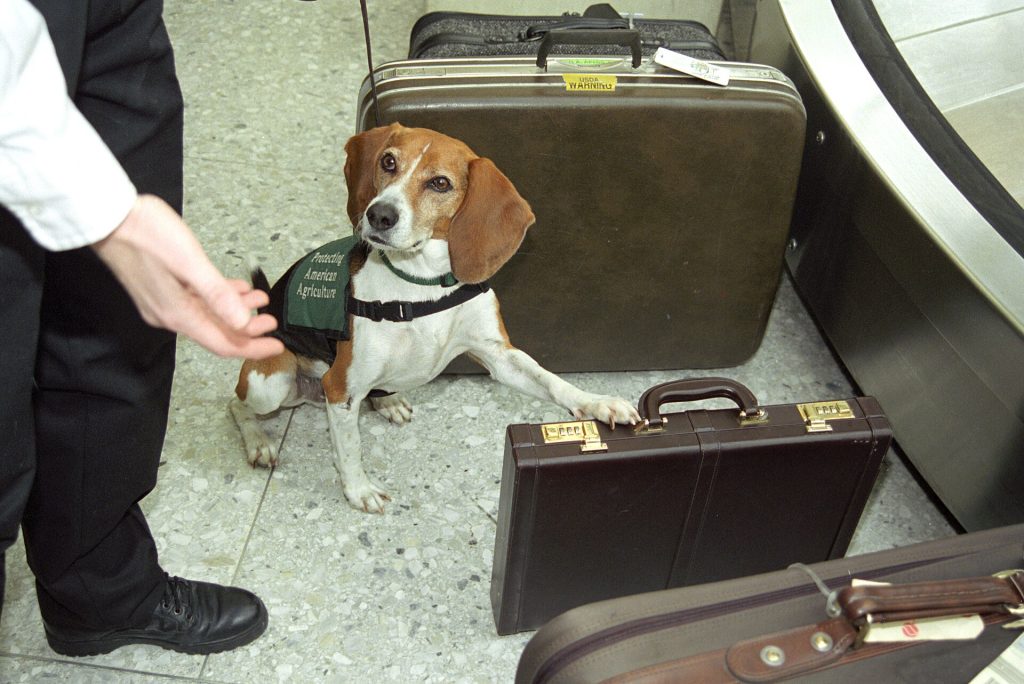
Customs is a separate queue from immigration and a separate set of rules, and medication is the item most often declared wrongly on a long trip. The green channel means nothing to declare, and prescribed drugs are something.
Two queues, not one
Immigration checks the person; customs checks the bags. You can clear the first in ten minutes and spend forty in the second, and the second is where questions about contents are asked.
Most arrivals walk through a green channel and are never stopped. That channel is an assertion rather than a formality, and the penalty for a wrong assertion is applied after the bag is opened.
The order matters on arrival. Bags come off the belt before customs, so the declaration is made with luggage in hand rather than checked through. That is one reason the prescription belongs in the cabin bag.
What counts as declarable
Cash above a threshold, alcohol and tobacco above an allowance, food and plant material, and goods bought for resale. The thresholds differ by country and are published. Medication sits in a category of its own, because it is both a health item and a controlled substance.
Nothing about a long trip changes these rules. Length of stay affects the visa, not the allowance.
Food is the category that catches long-stay travellers. Dried goods, seeds, cheese and home-cooked items are stopped more often than they are declared, and the penalty is charged per item rather than per bag.
Medication needs paperwork, not a label
Carry prescription drugs in the original packaging with the pharmacy label showing your name and the dose. A printed list from the prescriber, in English or in the language of the destination, covers the case where the label cannot be read.
Keep the letter dated within the last few months. An undated note reads as a claim rather than a record, and the officer has no way to set it against the trip in front of them.
For controlled drugs some countries require prior authorisation and limit the quantity to the length of stay. Ask the embassy before departure, because the answer is not available at the barrier.
Quantities and the thirty-day rule
Many authorities accept a personal supply of up to about thirty days without special permission and ask for more paperwork beyond that. A three-week trip fits inside the window; a three-month trip may not.
Keep the total visible and modest. A bag holding six months of a controlled drug invites a question that a thirty-day supply does not.
Carry the split, not the whole supply
Put half the medication in the carry-on and half in the checked bag, with a copy of the prescription in both. If one bag is lost or delayed, the trip continues.
Refrigeration is the exception to the split rule. A drug that has to stay cold travels entirely in the cabin, with the prescription and a short note explaining the cool pack beside it.
Keep in hand luggage anything damaged by heat or cold, and add a small cool pack where the drug needs one.
Declaring at a land border
Road crossings rarely hand out a customs form, so the declaration is spoken and made at the window. Say what you carry before the bag is opened, and hold the prescription list rather than leaving it in the suitcase.
An officer at a small post may not have seen the drug before. A document with the generic name is more useful than a brand name that cannot be checked.
Preparation is the whole answer
Customs is a conversation with a fixed script: what is in the bag, why, and how much. The medication question can be answered in advance with a label, a letter and a quantity that matches the trip, and arranging it costs far less than the alternative at the counter.
The green channel rewards the traveller who read the rules before packing, and it punishes the one who assumed a long itinerary made the rules looser.