Visas & Entry
Onward tickets and proof of exit: what gets checked, and by whom
 By
·
September 12, 2026
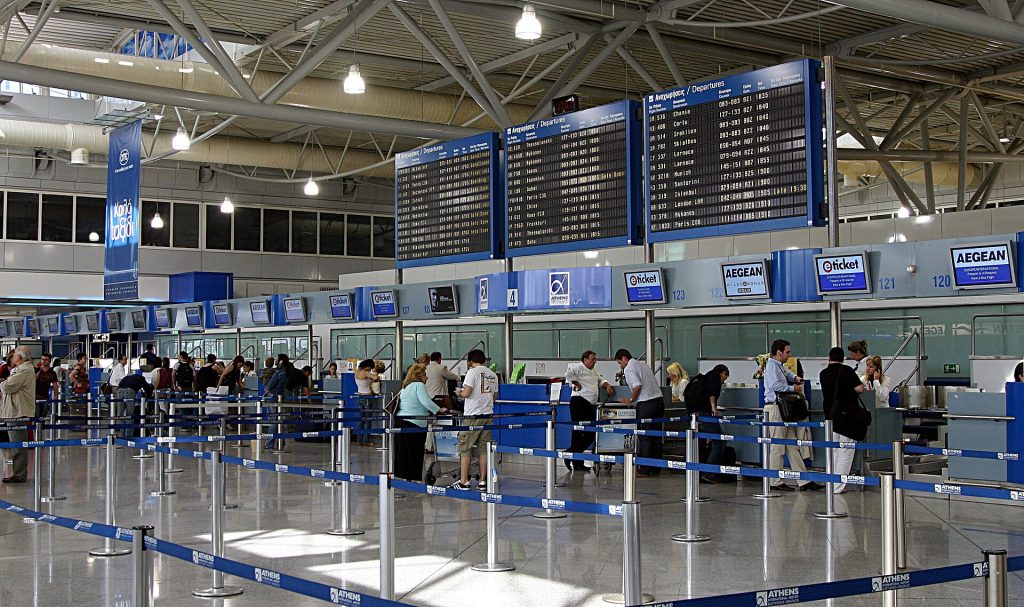
Proof of onward travel is checked by the airline far more often than by the border, and the airline has a financial reason to be strict about it.
Under carrier liability rules in most countries, an airline that lands a passenger who is refused entry pays a fine and the cost of removal. That is why check-in staff ask for a return or onward booking even when the destination’s published entry rules say nothing about one.
Who carries the cost
The fine is charged to the carrier, not to the passenger, and it is collected whether or not the passenger knew the rule. Carriers respond by pushing the check upstream to the first departure airport, which may be three flights and two days before the border where the rule actually applies.
This is why the question arrives at a counter in a country that has no interest in your destination. The agent is protecting the airline, and the airline is protecting itself against a bill.
What counts as proof
A confirmed booking that leaves the country, by air, rail, coach or ferry, is the standard. A reservation on hold is not a ticket, and a waitlisted segment is usually rejected on sight.
A visa or residence permit for the next country also works, because it proves you can both leave and be admitted somewhere else. So does a booking in your name with a ticket number rather than a reference, though few agents explain the distinction before refusing.
Where the border asks
Land borders in most regions ask rarely, and mostly when something else in the presentation is weak: no address, no funds, a passport with a thin history. Airport immigration asks more often on one-way tickets and on nationalities with a record of overstaying.
Visa-free entry is the highest-risk category, because no application was ever filed in which an exit plan had to be declared. The officer has nothing to compare your story against, so the ticket becomes the story.
Long overland routes break the pattern
A trip that flies in and leaves by land has no flight to show. A dated coach or rail ticket out, or a visa for the next country, covers the requirement, but the ticket has to be for a real service on a real date rather than a vague intention to move on.
Open-ended trips are the hard case. A one-way flight in and no plan out is precisely what the rule exists to catch, and no amount of explanation about finding work or a boat substitutes for a document.
The practical fix is unglamorous. Book the cheapest real crossing you can find, keep it confirmed until you are through the border, and treat the cost as part of the fare rather than as a deposit you might recover.
Refundable is a strategy, not a solution
Buying a refundable ticket and cancelling after entry is common and legal in most places, but it is not free. Refundable fares cost more, refunds take weeks, and some carriers now check that the onward segment is confirmed rather than held before they will board you.
A cheap ticket that is never used is often the simpler calculation, provided it is on a real flight with a real date and the name matches the passport exactly.
Building a trail that holds
Keep the onward booking, the confirmation number and the date in one place, on paper as well as on a phone. If the booking sits under a group reference or another traveller’s name, carry that reference too, since the agent cannot match a name that is not there.
The document is not a formality invented to inconvenience you; it is the carrier’s evidence that it will not be paying for your flight home. Treat it as part of the ticket rather than as an optional extra, and the check stops being a negotiation.