Borders & Transfers
Border buses: through-service or shuttle and a walk across
 By
·
September 15, 2026
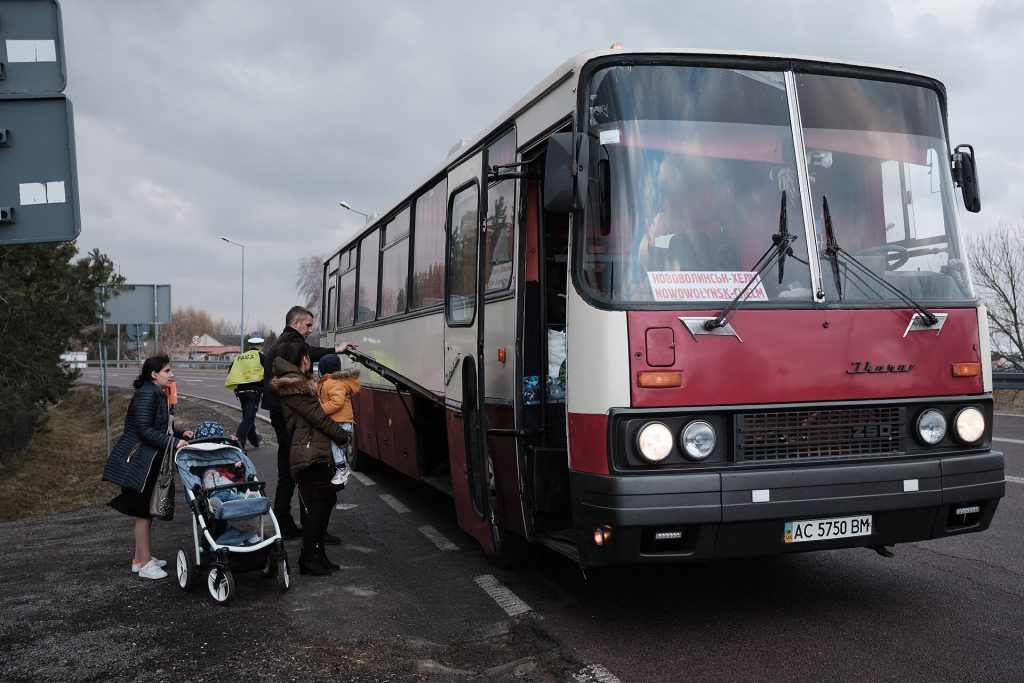
A through-bus sells one ticket and one seat for the whole journey; the walking alternative sells two tickets and a stretch of pavement. The choice turns on how the border is handled rather than on the price difference.
How a through-service works
One coach runs from a city on one side to a city on the other with the border in the middle. At the crossing everyone gets off with their bags, clears the outgoing side, walks or is carried to the incoming side, clears that, and boards the same coach again.
The seat is held but the luggage may be unloaded and reloaded, so the wait includes finding your bag in a heap. On a busy crossing the whole stop can run to an hour and a half.
What the through-ticket buys
It buys the guarantee that the coach waits. On a shuttle-and-walk route each leg is a separate contract, and if the first bus is late the second one leaves without you. The through-ticket moves that risk to the operator.
It also removes choice. You stop where the coach stops, for as long as it stops, and the border halt is not negotiable.
The shuttle-plus-walk pattern
On many crossings the two gates are close enough to walk between, and local shuttles run from each town to the barrier on its own side. You buy a ticket to the border, walk through both checks, and buy a second ticket on the far side.
This is usually cheaper and often faster, because a full-size coach can sit for forty minutes waiting for one passenger while a minibus leaves when it is full. The walk between gates is typically a few hundred metres, sometimes under a roof and sometimes along a road shoulder with lorries passing.
The operator also sets your walking distance. Some stop at a terminal on each side and run a short transfer between them; others stop on the road and leave passengers to walk the shoulder with the traffic. Ask which before buying.
Where the walk stops working
Some crossings put several kilometres between the two gates, with no footpath and no shuttle. There the walking option means a taxi at each end, and the two fares can erase the saving.
Rain, heat and luggage decide this more than distance. Two hundred metres in the open at midday with a wheeled case is a different proposition from the same distance under a canopy.
Luggage changes the arithmetic
With one bag on your back the walk costs nothing but time. With two suitcases, a laptop bag and a child, moving between vehicles becomes the main event and the through-bus earns its price.
Ask whether the coach loads luggage at the border or expects you to carry it through the terminal. The answer decides whether the stop is twenty minutes or ninety.
Matching the bus to the hour
A bus that reaches the border at midday meets the shift change. One that arrives at six in the morning meets the commuter queue going the other way and often clears quickly. Departure time matters more than the operator.
Where there is a choice, take the departure that puts you at the gate in the early morning or late evening, and confirm the last shuttle on the far side before you commit to it.
Timing at the far side matters as much as the fare. A second ticket bought from a window that shuts in the early evening strands you for the night, while the through-bus is obliged to finish the journey it sold.
The ticket is the whole difference
One ticket means the operator owns the border delay. Two tickets mean you own it, and the second bus will not wait. The walking route is not a cheaper version of the same product but a different product with a different risk.
Decide which risk you are buying before you compare prices, because the cheapest option and the most reliable one are rarely the same ticket.