Rail & Buses
Rail pass or point-to-point tickets: the break-even arithmetic
 By
·
September 27, 2026
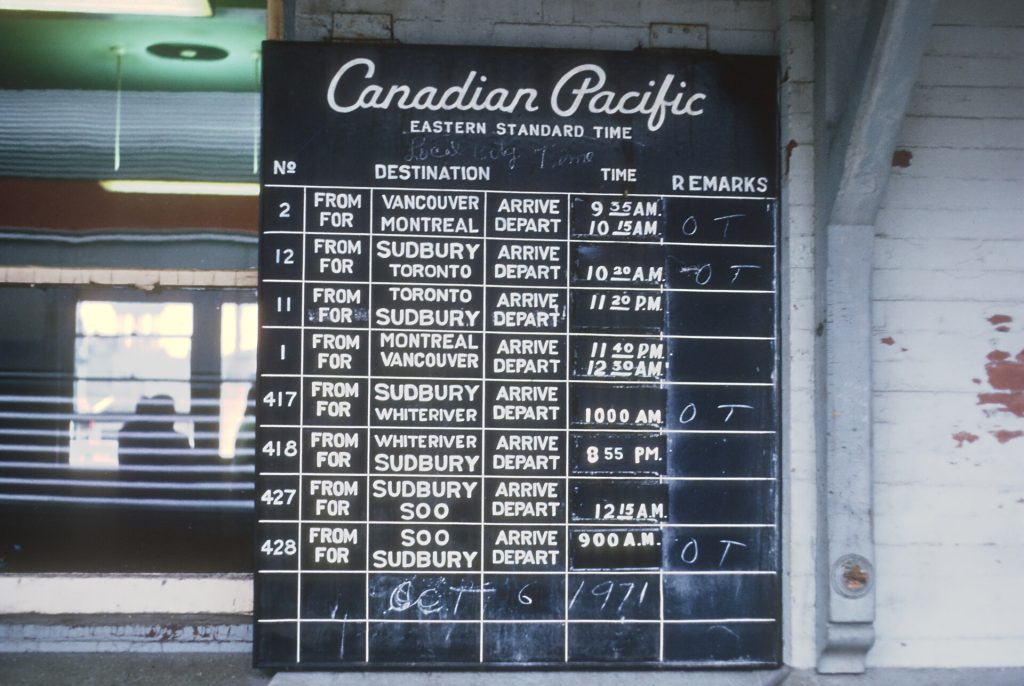
A rail pass pays only when the trains you would have bought anyway cost more than the pass plus the reservations it does not cover.
Most comparisons get this wrong in one direction. They price the pass against walk-up fares at the station window, which almost nobody pays, instead of against the advance fares actually on sale a month out.
Start with the reservation gap
A pass covers the fare, not the seat. High-speed trains, international trains and every night train charge a reservation on top, from about 3 euros on a domestic high-speed service to 20 or more across a border.
Night berths are worse. The supplement runs 30 to 90 euros and holding a pass does not discount it. On a trip with three night trains that gap alone can reach 150 euros.
Counting travel days honestly
Flexible passes sell travel days, not journeys. A day with one 40-minute hop consumes the same day as one with four long legs, so the pass rewards bunching travel and penalises the slow tour it is marketed for.
Write the itinerary out day by day before pricing anything. Most three-week trips contain fewer real travel days than the traveller assumes, often six or seven.
A day counts in full whether it carries one two-hour hop or four long legs, and a day spent on a slow cross-border connection counts the same as a fast one.
A simple three-train test
Take the three most expensive journeys on the route and add their advance fares. If that total is under about 60 percent of the pass price, the pass will not break even on the remaining legs.
The test works because pass value comes from a few long, expensive journeys, not from many cheap ones. Regional hops of 10 to 20 euros add almost nothing to the case.
Worked numbers for a two-week trip
A five-day pass in one month costs roughly 250 to 350 euros for an adult. Reservations across five travel days, with one night train, add 60 to 120 euros. Total outlay lands near 350 to 450 euros.
Five advance point-to-point tickets on comparable routes typically cost 150 to 300 euros, and those tickets already include the seat. On that itinerary the pass loses by 100 euros or more.
Reverse the shape so each travel day covers 600 km or more, and the same pass comes out ahead. Distance per day, not days abroad, is the variable that decides it.
Where passes quietly lose
Passes are priced in euros but sold at a fixed rate, and the exchange rate moves between buying and travelling. They also exclude some operators entirely, and those trains are then paid for twice.
Domestic high-speed quotas are the other trap. Pass holders often draw on a smaller reservation allocation than ticket buyers, so a train can show seats available and still refuse a pass reservation.
Flexibility has a price you can measure
The honest reason to buy a pass is not arithmetic but the ability to decide on the day. That is worth something, and it can be priced: the difference between the pass total and the advance total is what the freedom costs.
If the gap is 60 euros over two weeks, buy the freedom. If it is 200, buy the tickets and keep the change.
Buying one pass, not two
Two shorter passes rarely beat one longer one, because each carries its own reservation gap and its own activation rules. Compare a single pass covering the whole trip against splitting the journey before booking anything.
The arithmetic is dull and it is the entire decision. Add the fares the pass replaces, subtract the reservations it does not, and set that figure against what advance tickets would cost on the same days.